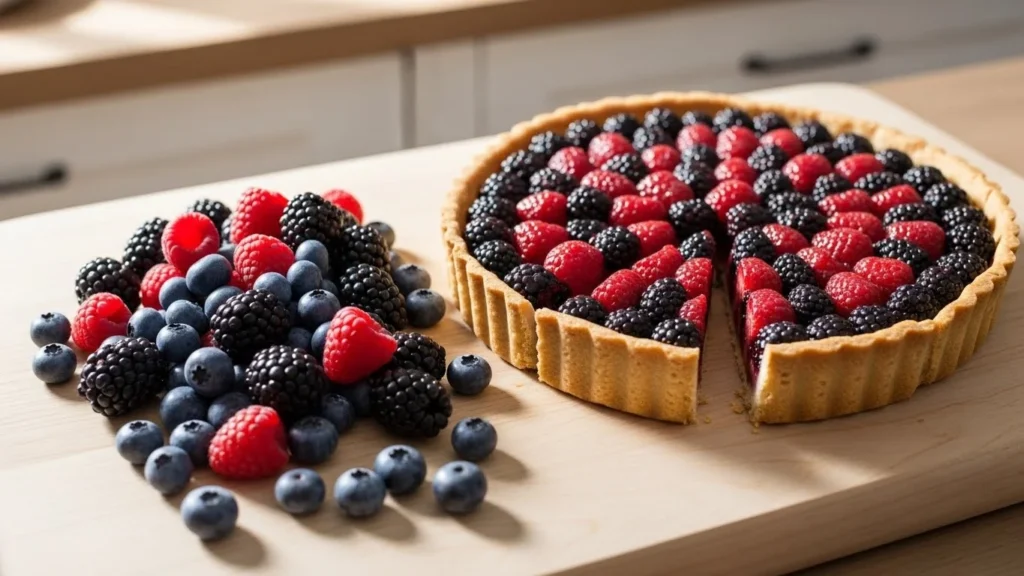
Berry desserts sound dreamy—until they turn soggy. If you’ve ever sliced into a gorgeous tart only to watch purple-red juices flood the plate, you’re not alone. Berries are naturally juicy, and while that’s great for smoothies, it can totally wreck pies, crisps, cakes, and no-bake desserts.
The good news? You don’t have to give up berries—or flavor—to get clean slices and bakery-style results. With a few smart techniques, you can make berry desserts that hold their shape, taste fresh, and still look Pinterest-perfect.
Let’s break it down step by step.
Why Berry Desserts Get Watery (and How to Stop It)
Berries release juice when:
- They’re heated
- Sugar draws moisture out
- They thaw after freezing
- They sit too long before serving
The trick isn’t removing juice entirely—it’s controlling it so it thickens instead of leaking.
Once you understand that, everything changes.
Choose the Right Berries for the Job
Not all berries behave the same way in desserts.
Lower-juice, more reliable options:
- Blueberries
- Blackberries
- Raspberries (when used with thickeners)
Extra-juicy (handle with care):
- Strawberries
- Frozen berries of any kind
Tips for better results:
- Use firm, ripe berries—not overripe
- Pat washed berries completely dry
- Slice strawberries just before using
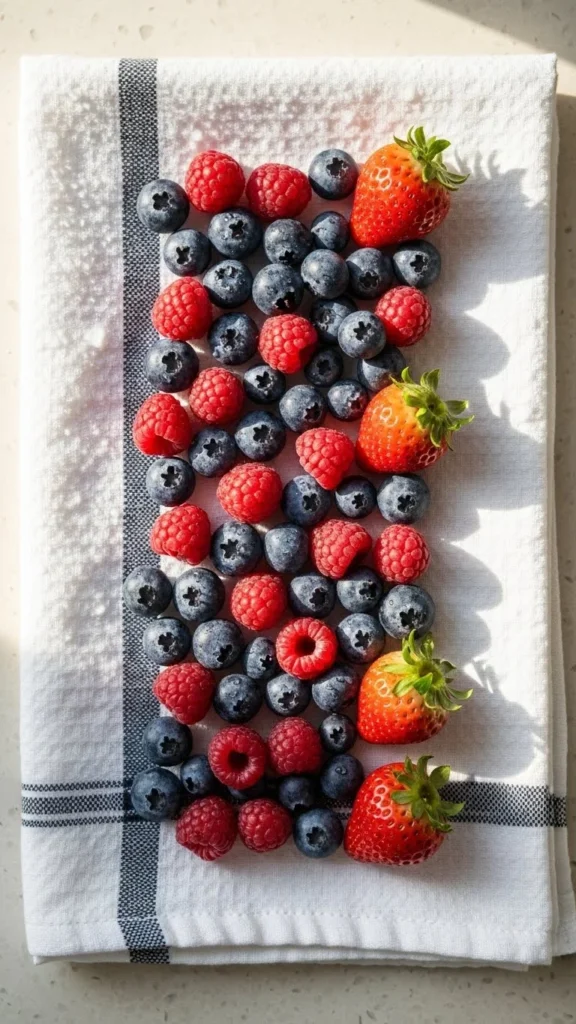
Dry berries = better texture later.
Pre-Cook or Roast Berries to Control Moisture
One of the most effective tricks is pre-cooking berries before they go into your dessert.
Why it works:
- Excess water evaporates
- Juices thicken naturally
- Flavors become more concentrated
How to do it:
- Toss berries with a small amount of sugar
- Cook on the stovetop for 5–10 minutes until slightly thick
- Let cool before adding to your dessert
This works beautifully for:
- Tarts
- Cheesecake toppings
- Layered desserts
- Hand pies
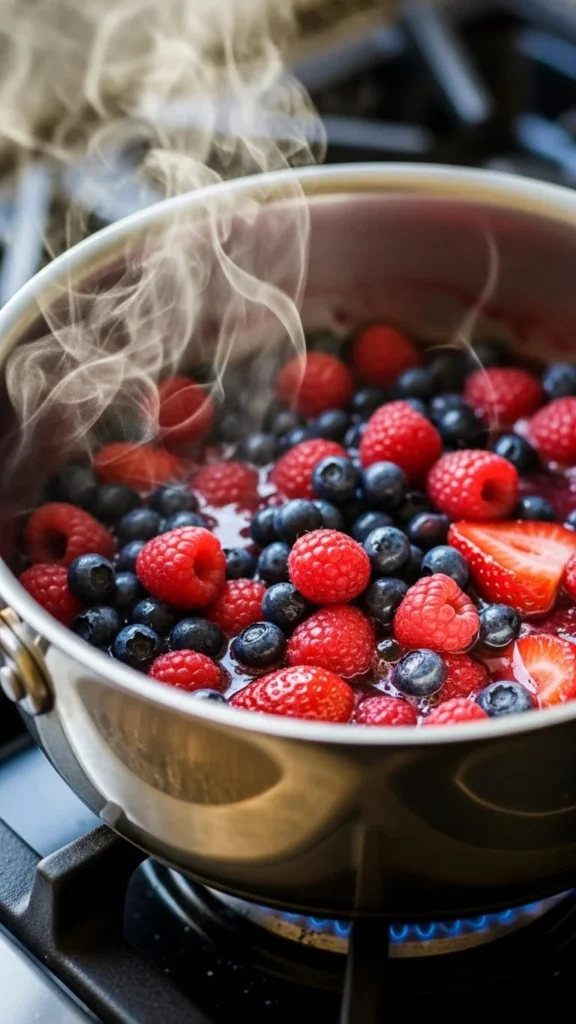
Roasting berries in the oven (400°F / 200°C for 15–20 minutes) also works if you want deeper flavor and less mess.
Use the Right Thickeners (Less Is More)
Thickeners are your best friend—but only when used correctly.
Reliable options:
- Cornstarch
- Tapioca starch
- Arrowroot
- Flour (best for baked pies)
How to avoid gummy or cloudy fillings:
- Mix starch with sugar before adding
- Use small amounts (usually 1–2 tablespoons per pound of fruit)
- Let desserts cool fully before slicing
No-bake trick:
Chia seeds or ground flax absorb moisture naturally and work great in parfaits and layered jars.
Build a Barrier Between Fruit and Crust
If your problem is soggy bottoms (we’ve all been there), barriers are the answer.
Try these:
- Brush baked crust with melted chocolate
- Sprinkle ground nuts or cookie crumbs
- Add a thin layer of custard or cream
These layers soak up excess juice without stealing flavor.

This technique is especially helpful for:
- Berry tarts
- Galettes
- No-bake cheesecakes
Assemble at the Right Time
Timing matters more than most people realize.
To avoid juice overload:
- Let cooked berry fillings cool completely
- Assemble desserts close to serving time
- Chill layered desserts before slicing
For make-ahead desserts:
- Store fruit and base separately
- Combine just before serving
- Keep covered to avoid condensation
A dessert that sets properly will always slice cleaner and look more polished.
Smart Berry Dessert Ideas That Stay Set
Some desserts naturally handle berries better than others.
Great low-juice options:
- Berry crumble bars
- Cheesecake with berry swirl
- Berry shortcake with thickened compote
- Parfaits with stabilized fruit layers
- Berry hand pies
These designs give juice somewhere to go—without pooling.
Final Takeaway
Watery berry desserts aren’t a berry problem—they’re a technique problem. Once you start drying, pre-cooking, thickening, and layering with intention, your desserts instantly level up.