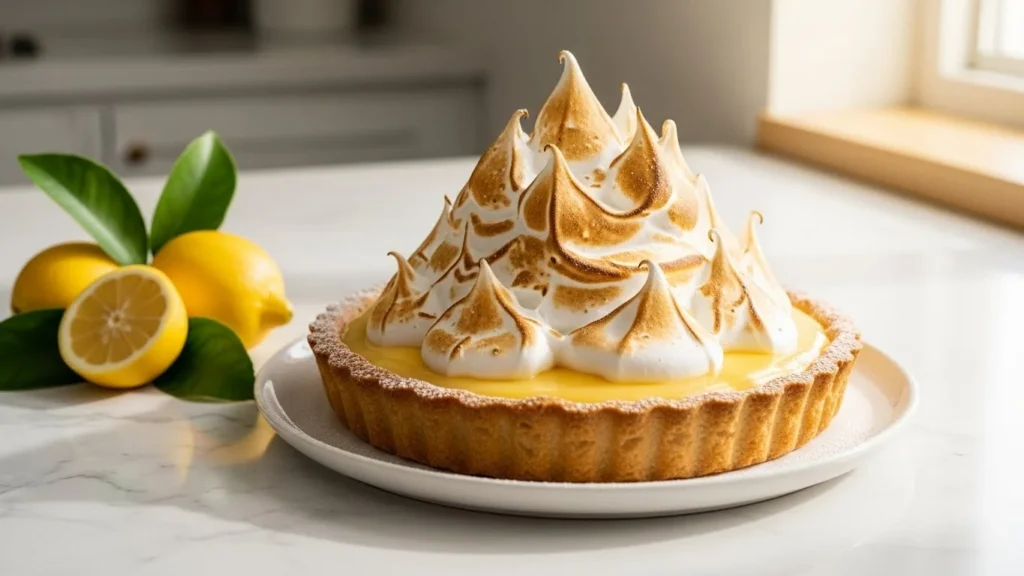
There’s nothing more heartbreaking than a beautiful, cloud-like meringue that starts leaking syrupy droplets minutes after you serve it. That shiny topping you worked so hard on suddenly looks wet, sticky, and sad. The good news? Weeping meringue isn’t bad luck—it’s usually the result of a few fixable mistakes. With the right technique and timing, you can make meringue that stays tall, glossy, and perfectly dry.
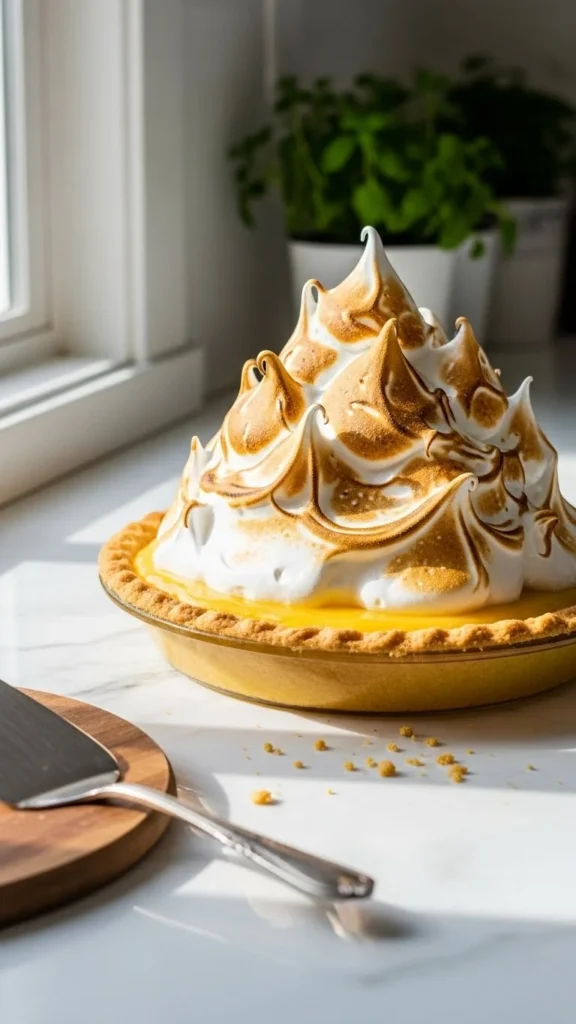
What Causes Meringue to Weep?
Before fixing the problem, it helps to understand it. Weeping happens when moisture escapes from the meringue and pools on the surface or between layers.
Common causes include:
- Undissolved sugar
- Over- or under-whipped egg whites
- Humidity and temperature issues
- Improper baking or cooling
The goal is to create a stable foam that holds moisture inside instead of releasing it.
Start With Clean Tools and Fresh Eggs
Meringue is picky. Even a trace of fat can prevent egg whites from whipping properly, which leads to instability later.
Do this first:
- Wash and dry your bowl and whisk thoroughly
- Avoid plastic bowls (they can hold grease)
- Separate eggs carefully—no yolk allowed
Fresh egg whites whip more reliably and form a stronger structure, which helps prevent moisture loss.
Choose the Right Type of Meringue
Not all meringues behave the same. If weeping is a consistent problem, the type you use matters.
Best options:
- Swiss meringue: Sugar is dissolved in warmed egg whites before whipping
- Italian meringue: Hot sugar syrup stabilizes the egg whites
These methods dissolve sugar completely, making them more stable than classic French meringue.
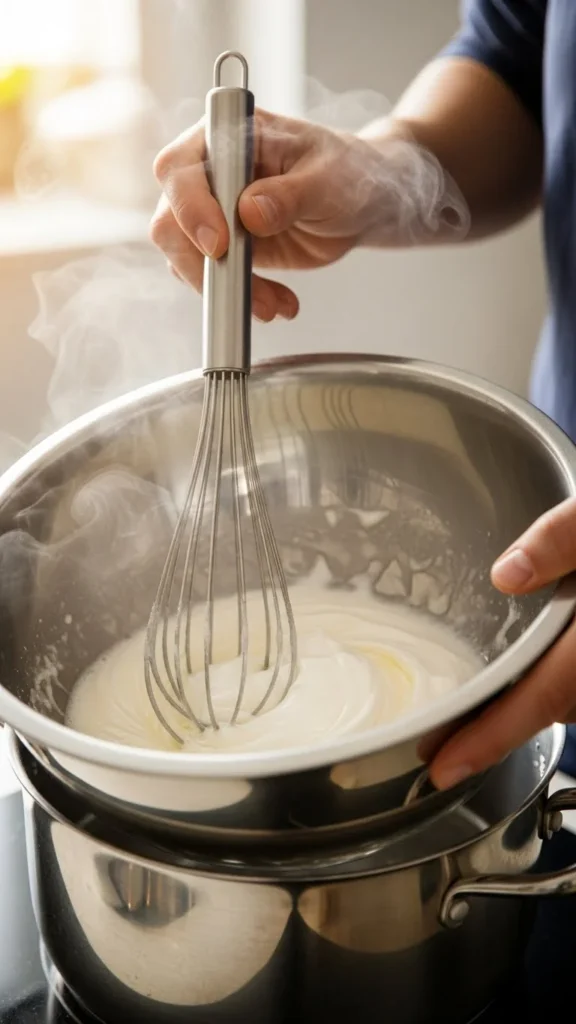
If you’re using French meringue, extra care with sugar and whipping is essential.
Dissolve the Sugar Completely
Undissolved sugar is one of the biggest causes of weeping. Sugar attracts moisture, and if it’s grainy, it pulls water out of the meringue.
Tips for smooth sugar integration:
- Use superfine sugar if possible
- Add sugar gradually, one tablespoon at a time
- Rub a bit of meringue between your fingers—no grit should remain
If you feel grains, keep mixing until the sugar is fully dissolved.
Whip to the Correct Stage (Not Too Far)
Both under-whipping and over-whipping can cause trouble. You’re aiming for stiff, glossy peaks that hold their shape without looking dry.
Look for:
- Peaks that stand straight without drooping
- A smooth, shiny surface
- Meringue that clings to the whisk
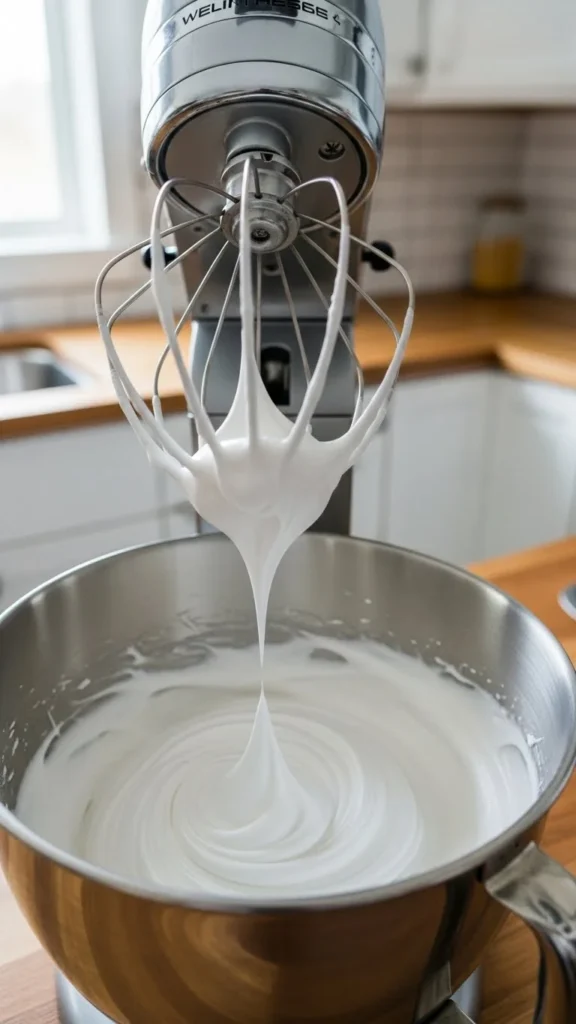
If the meringue looks curdled or dull, it’s over-whipped and more likely to release moisture later.
Add a Stabilizer for Insurance
Stabilizers help hold moisture in and strengthen the meringue structure.
Easy stabilizer options:
- Cornstarch (classic for pies)
- Cream of tartar
- A small amount of gelatin (for advanced methods)
Cornstarch is especially effective for pie toppings—it absorbs excess moisture and keeps the meringue firm.
Spread Meringue on Hot Filling
One underrated trick: always spread meringue over hot filling. This helps the underside of the meringue cook slightly, sealing it to the dessert and preventing moisture from collecting underneath.
How to do it:
- Spoon meringue onto hot pie filling
- Spread all the way to the edges
- Seal the meringue to the crust
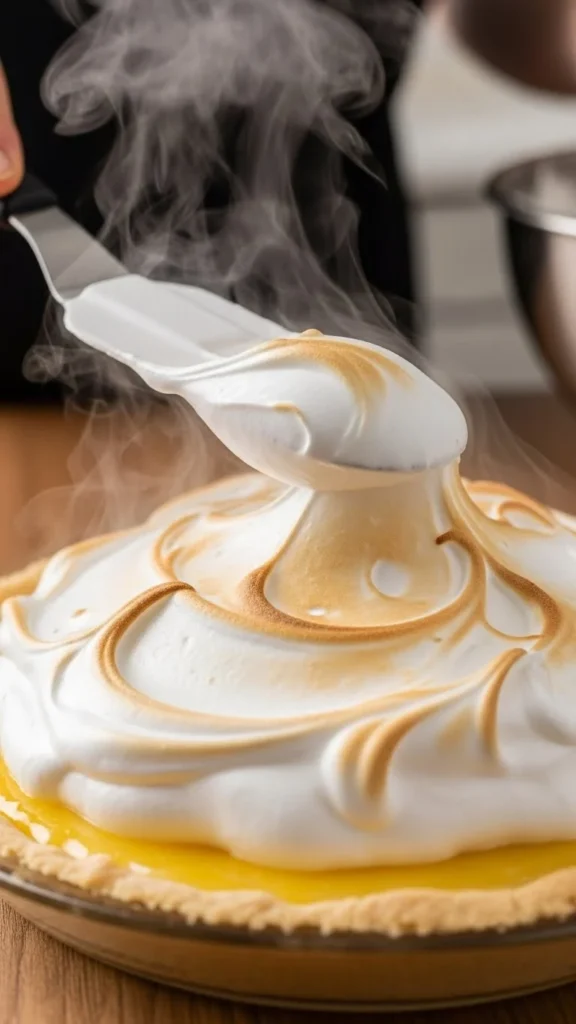
Gaps around the edges are prime spots for weeping to start.
Bake Just Enough—No More, No Less
Meringue needs gentle heat to set properly. Too little baking leaves it soft; too much dries it out.
General baking tips:
- Bake at a moderate temperature
- Aim for lightly golden peaks
- Avoid high heat that causes cracking
A properly baked meringue feels set on the outside but still soft inside.
Cool Slowly and Serve Smartly
Sudden temperature changes cause condensation, which leads to—you guessed it—weepage.
Cooling best practices:
- Cool desserts at room temperature
- Avoid refrigerating meringue-topped pies too soon
- Serve within a few hours if possible
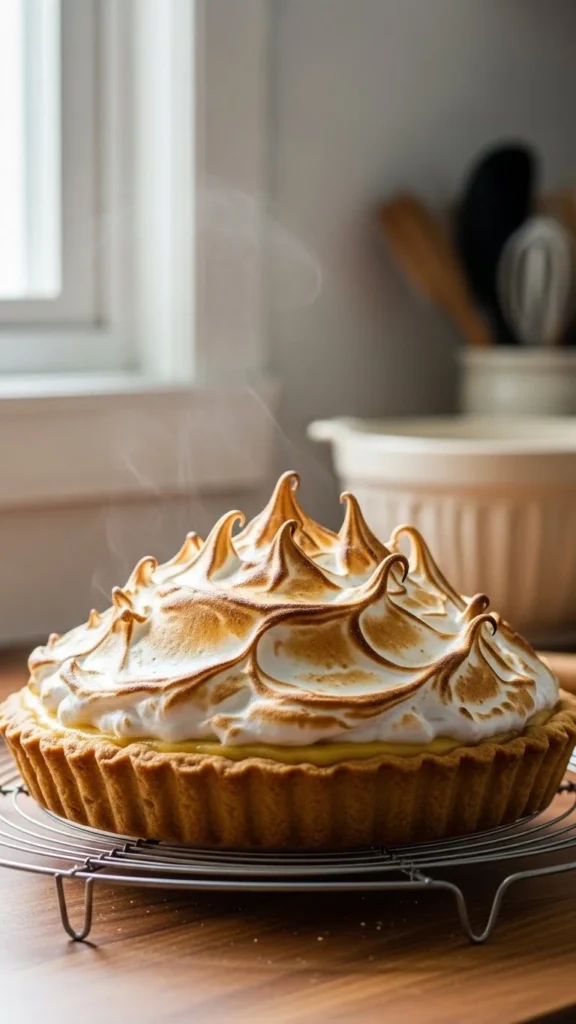
Humidity is meringue’s enemy, so dry days are your best friend.
Storage Tips to Keep Meringue Dry
Meringue is best enjoyed fresh, but if you need to store it:
- Keep it loosely covered
- Avoid airtight containers
- Refrigerate only if necessary
Moist environments encourage sugar to release water.
Final Takeaway
Meringue that doesn’t weep is all about stability. Fully dissolved sugar, proper whipping, gentle heat, and smart timing work together to keep your topping tall and dry. Once you understand what meringue needs, it becomes predictable—not temperamental.
Save this guide for your next pie or pavlova, and enjoy meringue that stays beautiful from the first slice to the last 🥧✨