There’s something special about penne. Those little tubes with ridges and angled ends are basically built to catch sauce — creamy Alfredo, chunky ragù, spicy arrabbiata… every bite is loaded with flavor.
But here’s the thing: even the best sauce can’t save overcooked, sticky, or bland pasta.
Perfect penne starts with technique.
Whether you’re boiling store-bought or trying homemade tubes from scratch, these simple steps will guarantee al dente, sauce-clinging perfection every time.
Let’s break it down step-by-step.
Step 1: Choose Your Penne (Store-Bought or Homemade)
Most people use boxed penne — and that’s totally fine. Good-quality dried pasta cooks beautifully.
Look for:
- Penne rigate (ridged) → best sauce grip
- Bronze-cut texture → rough surface holds sauce better
- Thick walls → keeps shape al dente
If you’re feeling adventurous, you can even make penne from scratch.
Simple homemade dough:
- 2 cups flour
- 2 eggs
- 1 tbsp olive oil
- Pinch salt
Knead 8–10 minutes, rest 30 minutes, roll thin, then cut small rectangles and roll into tubes using finger pressure.
Homemade is fun — but perfect cooking technique matters more than anything else.
Step 2: Salt Your Water Like the Sea
This is the #1 flavor secret.
Penne doesn’t get seasoned later — it absorbs flavor while boiling.
The golden rule:
- 4–6 quarts water per pound
- 1–2 tablespoons salt
The water should taste noticeably salty.
Skip oil. Oil floats and actually stops sauce from sticking later.
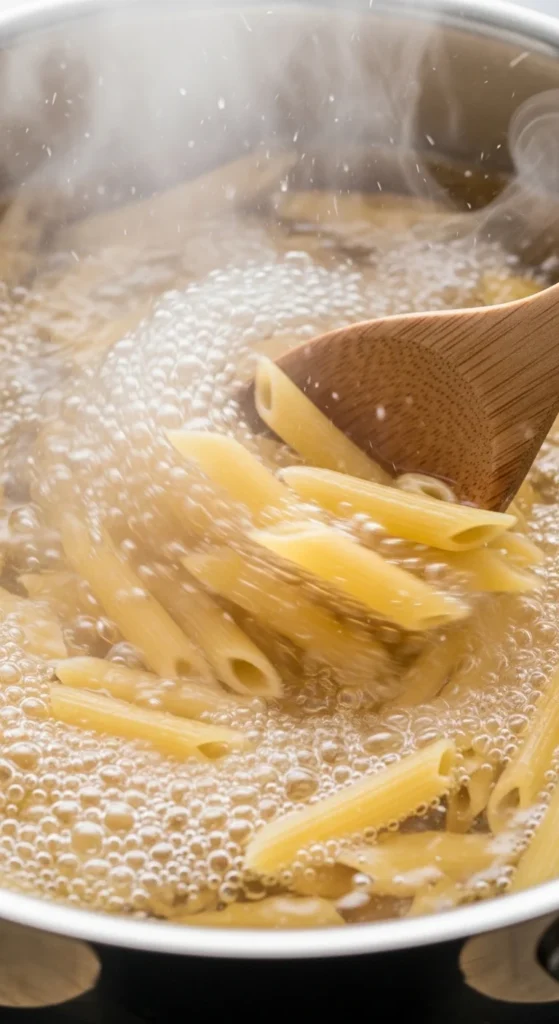
Bring water to a full, rolling boil before adding pasta.
Step 3: Cook to Al Dente (Not Soft!)
Timing is everything.
Most penne packages say 10–12 minutes — but start checking early.
Perfect penne texture:
- Tender outside
- Firm bite in the center
- Not mushy
- Not chalky
Start tasting at minute 8 or 9.
Important tip:
Stir during the first 30–60 seconds to prevent clumping.
Before draining, save:
👉 1 cup pasta water
You’ll use this for the sauce.
That cloudy water? Liquid gold for silky sauces.
Step 4: Build a Flavorful Sauce Base
Penne loves hearty sauces — especially chunky ones that fill the tubes.
Start with a classic soffritto base:
Cook together:
- Olive oil
- Onion
- Garlic
- Optional carrot or celery
Sauté until soft and fragrant.
Then add your sauce ingredients.
Easy options:
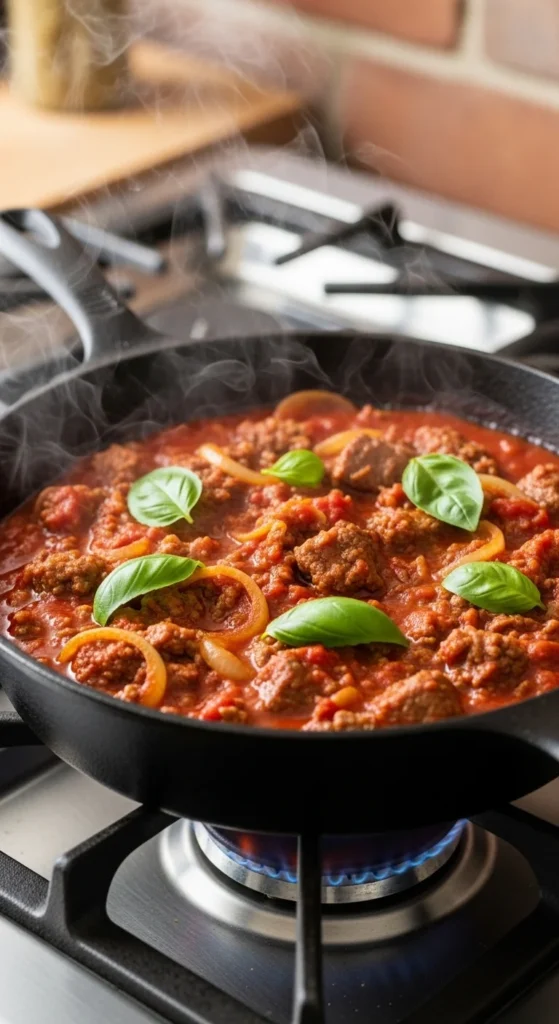
- Crushed tomatoes + beef (classic ragù)
- Sausage + cream (one-pot comfort)
- Mushrooms + cheese (vegetarian favorite)
- Shrimp + chili flakes + cream (luxury twist)
Simmer until thick.
Low heat = deeper flavor. Don’t rush it.
Step 5: Use Pasta Water to Emulsify
This is the restaurant trick most home cooks miss.
After draining penne:
- Add pasta directly into the sauce
- Toss together
- Splash in reserved pasta water
- Stir over heat
The starch in the water helps:
- Thicken the sauce
- Bind everything
- Coat each piece evenly
Instead of watery sauce sitting at the bottom of the plate, you get glossy, clingy goodness.
It makes a HUGE difference.
Step 6: Finish Like a Pro
Right before serving, add fresh touches.
Try:
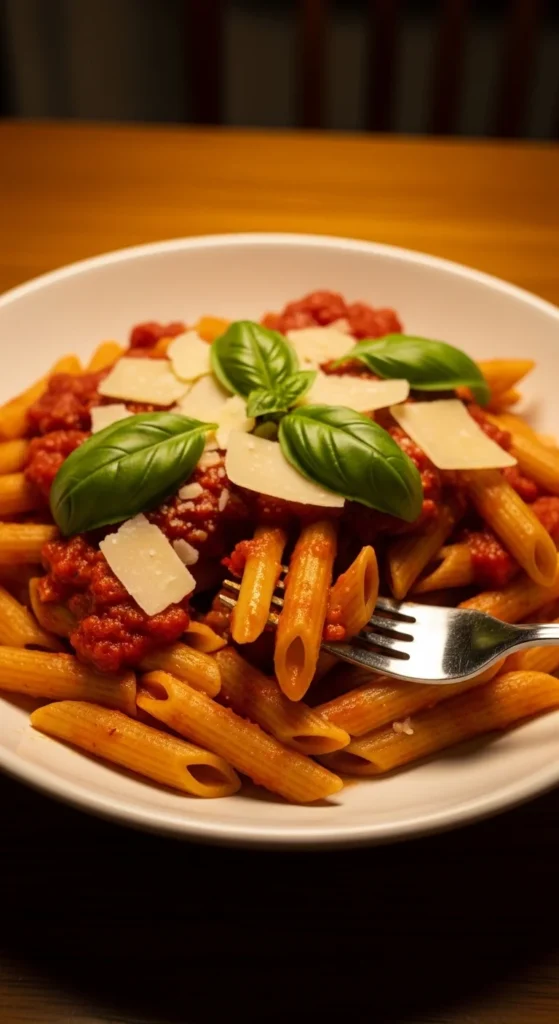
- Grated Parmesan or Parmigiano
- Fresh basil
- Cracked black pepper
- Drizzle olive oil
- Pinch chili flakes
Little extras elevate everything.
Now you’ve got restaurant-level pasta at home.
Bonus Tips for Perfect Penne Every Time
Save these for later:
✔ Stir pasta first minute
✔ Taste early for al dente
✔ Don’t rinse after draining
✔ Always reserve pasta water
✔ Finish pasta inside sauce
✔ Warm plates so sauce sticks better
Small steps = big upgrade.
Sauce Pairing Ideas (Because Penne Loves Options)
Need inspiration?
Classic comfort
- Beef or sausage ragù
- Tomato basil
Creamy
- Alfredo
- Mushroom truffle
- Garlic parmesan
Fresh & light
- Cherry tomatoes + olive oil
- Pesto
- Lemon shrimp
Hearty
- Duck or wild boar ragù
- Slow-cooked bolognese
Penne’s tube shape catches EVERYTHING — so chunky sauces shine.
Final Thoughts
Perfect penne isn’t about fancy ingredients — it’s about technique.
Salt your water. Cook al dente. Save pasta water. Finish in the sauce.
Do those four things and any sauce you make will taste incredible.
Save this guide for later and make tonight pasta night. 🍝