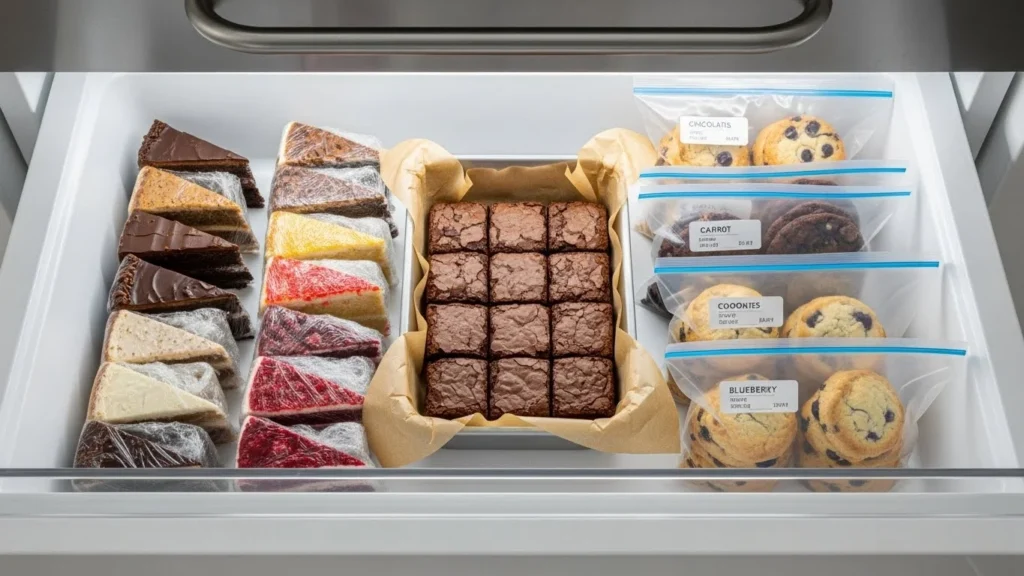
Freezing desserts sounds like a genius shortcut—until you thaw them and end up with soggy cake, icy mousse, or grainy frosting. The good news? Freezing doesn’t have to ruin texture. With the right techniques, you can freeze desserts so they taste just as good (sometimes better) than fresh.
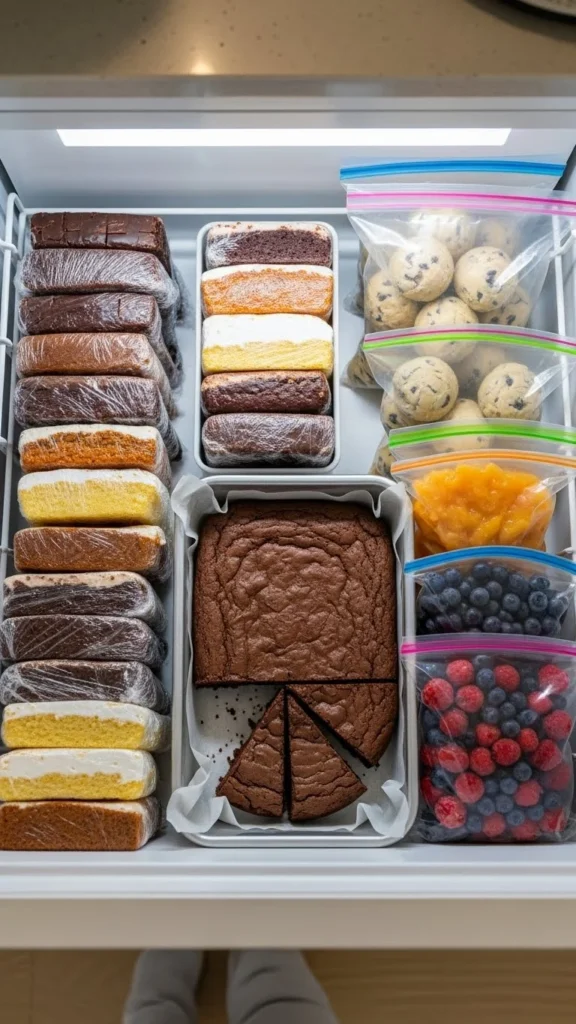
Whether you’re prepping ahead for a party, saving leftovers, or batch-baking for busy weeks, this guide will show you exactly how to freeze desserts the right way.
Understand Which Desserts Freeze Well (and Which Don’t)
Not all desserts are freezer-friendly, and knowing the difference saves a lot of disappointment.
Desserts that freeze beautifully:
- Cakes (unfrosted or buttercream-frosted)
- Brownies and bars
- Cheesecake
- Cookies and cookie dough
- Muffins and quick breads
- Ice cream–based desserts
Desserts that struggle in the freezer:
- Custards and puddings
- Whipped cream–heavy desserts
- Meringue toppings
- Gelatin desserts
- Pastries with delicate fillings
If a dessert relies heavily on air, water, or emulsions, freezing can break its structure. Dense, fat-rich desserts usually hold up best.
Freeze Desserts at the Right Time
Timing matters more than most people realize.
Always freeze desserts:
- Completely cooled
- Fully set (especially cheesecakes and bars)
- Before adding delicate toppings like fresh fruit or whipped cream
Freezing too early traps steam, which leads to ice crystals. Freezing too late can dry desserts out.
Pro tip: For frosted cakes, chill them uncovered in the fridge first. Once the frosting is firm, wrap and freeze. This keeps decorations intact.
Wrap Like Texture Depends on It (Because It Does)
Air is the enemy of good texture. The goal is to protect desserts from freezer burn and moisture loss.
Use this layering method:
- Wrap tightly in plastic wrap
- Add a second layer of foil or parchment
- Place in an airtight freezer container or bag
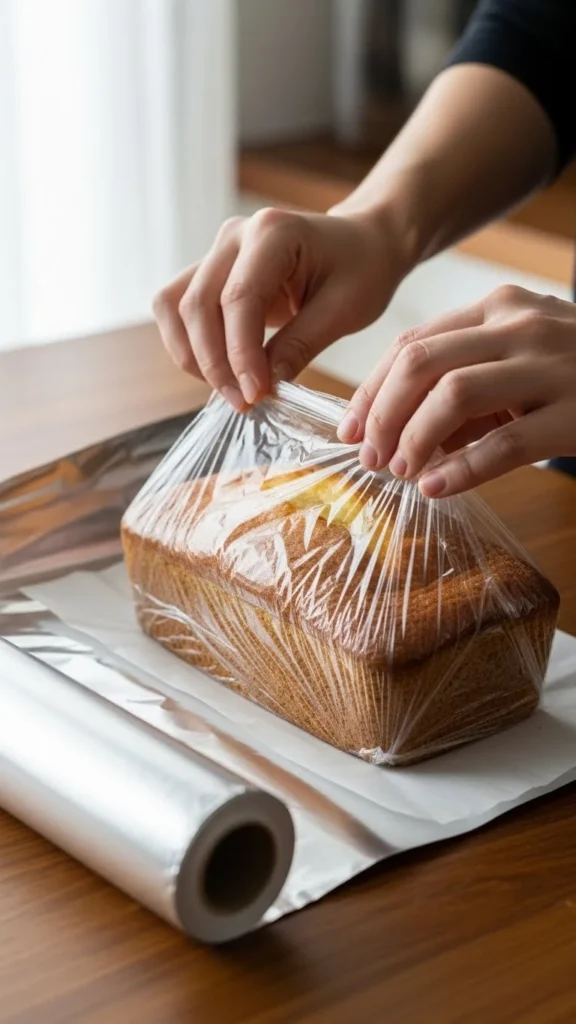
For cookies and bars, stack them with parchment paper between layers before sealing.
Label everything with the name and date—future you will be grateful.
Freeze in Portions, Not Giant Blocks
Big frozen slabs thaw unevenly. Smaller portions keep texture intact and make life easier.
Try this instead:
- Slice cakes before freezing
- Freeze brownies individually
- Scoop cookie dough into balls
- Cut cheesecake into wedges
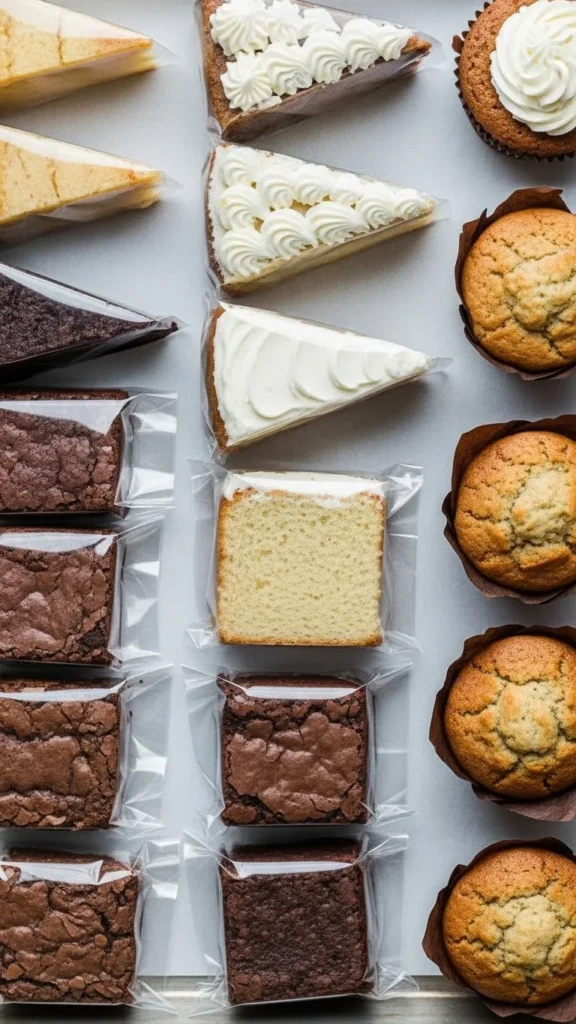
Portion freezing also reduces refreezing, which is one of the fastest ways to ruin texture.
Control Ice Crystals With Flash Freezing
Ice crystals are what cause soggy or grainy desserts. Flash freezing helps prevent them.
How to do it:
- Place unwrapped (or lightly wrapped) desserts on a baking sheet
- Freeze until firm (1–2 hours)
- Wrap tightly once solid
This works especially well for:
- Cheesecake slices
- Cookie dough
- Frosted cupcakes
The faster a dessert freezes, the smaller the ice crystals—and the better the texture when thawed.
Thaw Slowly and Strategically
Thawing is just as important as freezing.
Best thawing practices:
- Move desserts from freezer to fridge
- Thaw overnight when possible
- Keep wrapped until fully thawed to avoid condensation
Avoid:
- Microwaving frosted desserts
- Thawing at room temperature too quickly
- Unwrapping while still frozen
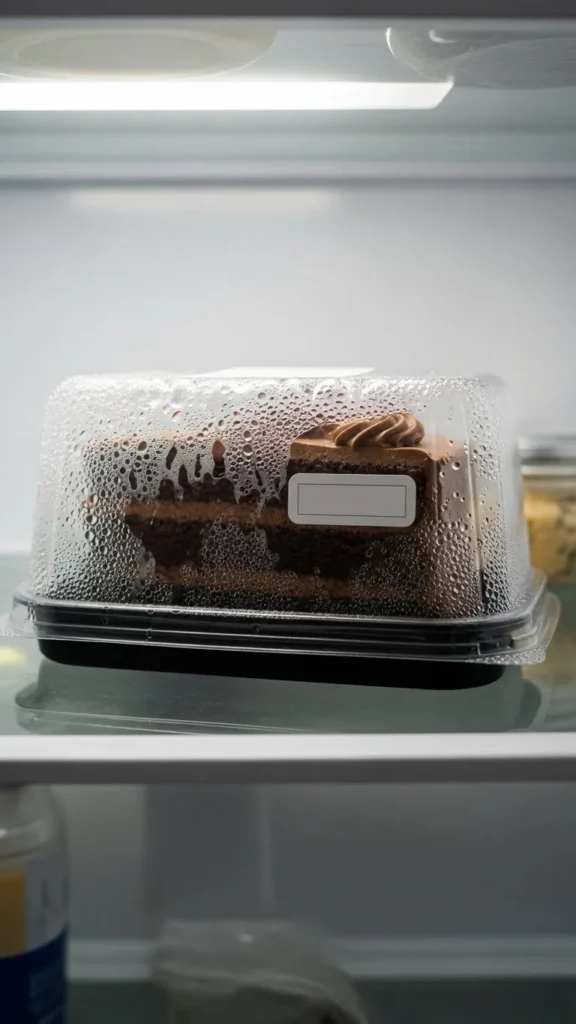
For cookies and brownies, a short warm-up at room temperature after fridge thawing brings back softness without damage.
Fix Texture Issues After Thawing
Even well-frozen desserts sometimes need a little help.
Easy texture fixes:
- Dry cake? Brush with simple syrup.
- Soft cookies? Warm briefly in the oven.
- Dull frosting? Smooth gently with a warm spatula.
- Cheesecake too firm? Let it sit 10–15 minutes before serving.
Small adjustments can make frozen desserts taste freshly made.
Final Takeaway
Freezing desserts without ruining texture comes down to three things: choosing the right desserts, protecting them from air, and thawing them gently. With smart wrapping and a little patience, your freezer can become your best baking assistant—not a dessert graveyard.
Save this guide for later, and start freezing desserts with confidence 🍰❄️