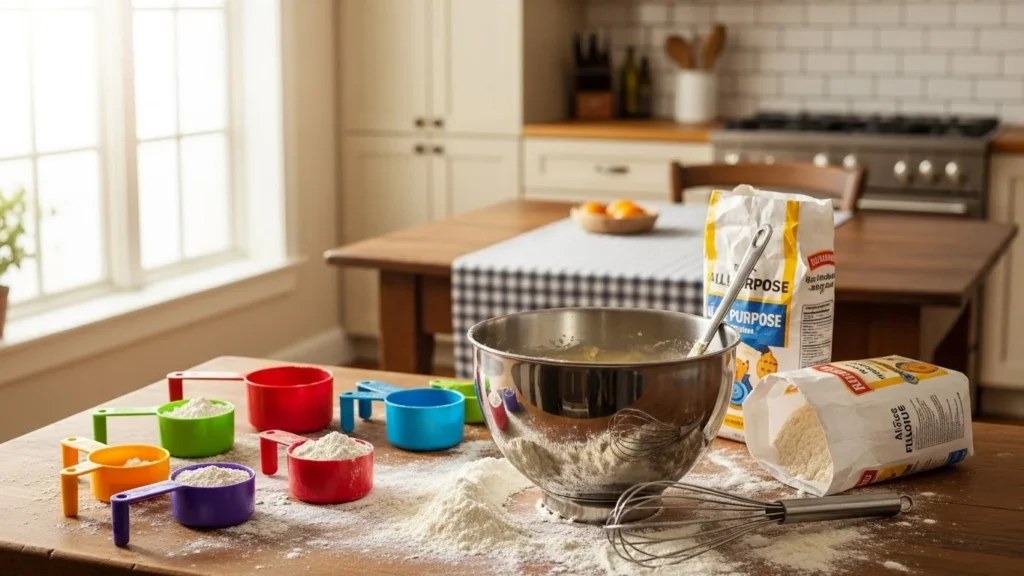
Dessert baking can feel intimidating at first—so many recipes, tools, and “rules.” But here’s the secret: great bakers aren’t born, they’re made one simple step at a time. If you can follow directions and enjoy a little trial-and-error, you’re already on the right path.
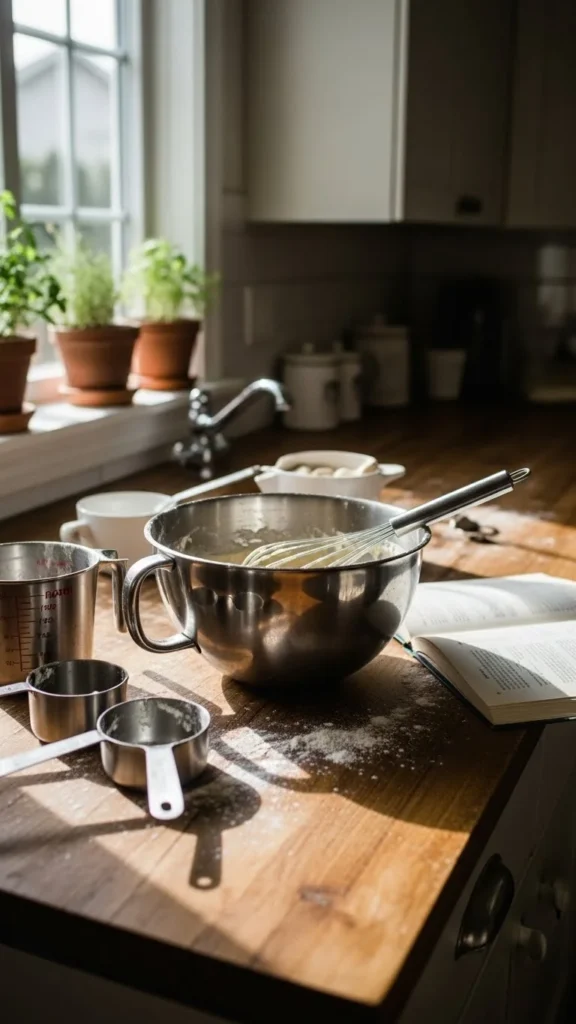
This guide breaks dessert baking down into clear, beginner-friendly steps. No pressure. No fancy techniques. Just real progress you can actually stick with.
Start With the Basics (Don’t Skip This Part)
Before jumping into cakes and pastries, it helps to understand what’s happening in the bowl. Baking is part creativity, part science—and knowing the basics saves frustration later.
Focus on learning:
- The difference between baking powder and baking soda
- Why butter is sometimes melted and sometimes softened
- How sugar affects texture, not just sweetness
At this stage, don’t rush. Read recipes all the way through before starting. This habit alone will instantly improve your results.
Set Up a Simple Baking Station
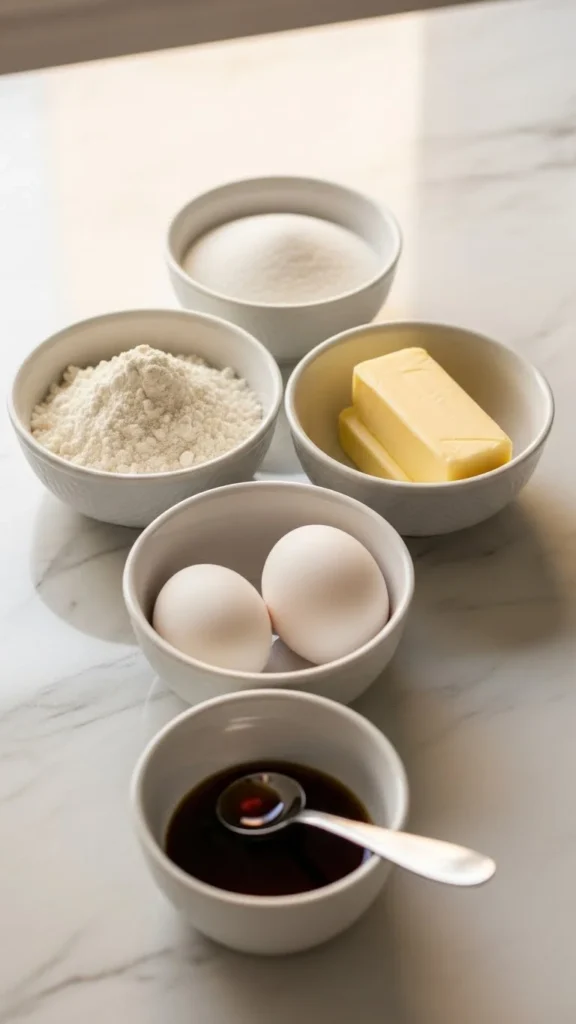
You don’t need a professional kitchen. You just need order. A clutter-free setup helps you stay calm and focused while baking.
Essentials to have ready:
- Measuring cups and spoons
- Mixing bowls in different sizes
- A whisk, spatula, and hand mixer (optional)
- Baking pans you actually own (don’t substitute blindly)
Pro tip: Measure everything before you start mixing. This classic prep method makes the process smoother and prevents mistakes.
Begin With Beginner-Friendly Desserts
Not all desserts are beginner-friendly, and that’s okay. Starting small builds confidence fast.
Great beginner desserts include:
- Drop cookies
- Brownies
- Muffins
- No-bake cheesecakes
These recipes are forgiving and help you practice mixing, timing, and baking without stress.

Stick to one recipe style for a while. Repetition teaches more than jumping between complicated desserts.
Learn One Technique at a Time
Trying to learn everything at once is the fastest way to feel overwhelmed. Instead, focus on one technique per bake.
Examples:
- One week: creaming butter and sugar properly
- Next bake: learning when not to overmix batter
- Another day: understanding oven rack placement
Take notes. Seriously. Even quick phone notes help you remember what worked and what didn’t.
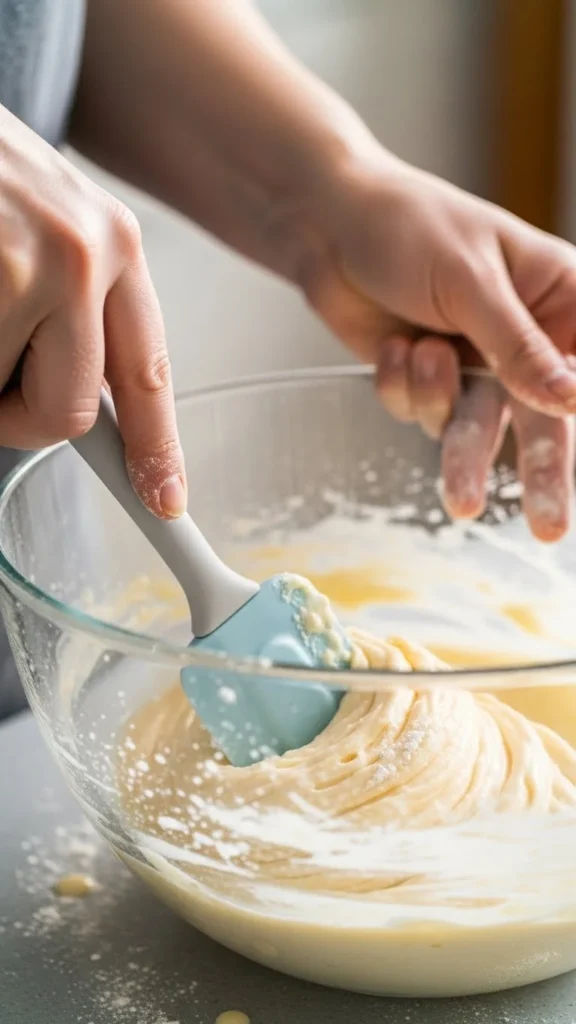
Mistakes aren’t failures—they’re feedback. Every slightly dry cake teaches you something valuable.
Practice Reading Visual Cues, Not Just Timers
Timers help, but your eyes are your best tool. Learning visual cues separates beginners from confident bakers.
Look for:
- Light golden edges on cookies
- Cakes pulling slightly away from pan edges
- A soft spring-back when gently pressed
Ovens vary more than recipes admit. Trust what you see and smell.
Build Confidence With Simple Decorating
You don’t need perfect piping skills to make desserts look good. Simple touches go a long way.
Easy decorating ideas:
- Dusting powdered sugar
- Drizzling melted chocolate
- Adding fresh fruit on top

As your confidence grows, you can explore frosting techniques later. For now, keep it fun and low-pressure.
Learn From Each Bake (Even the “Bad” Ones)
Every baker has flops. Burnt edges. Flat cakes. Dense brownies. The difference is what you do next.
After each bake, ask:
- Was the texture right?
- Did I follow the measurements exactly?
- Would I change anything next time?
Progress in baking comes from reflection, not perfection.
Make Baking a Habit, Not a Project
The best way to learn dessert baking step by step is consistency. One dessert a week beats ten recipes in one weekend.
Keep it enjoyable:
- Bake for friends or family
- Save your favorite recipes
- Take photos to track improvement
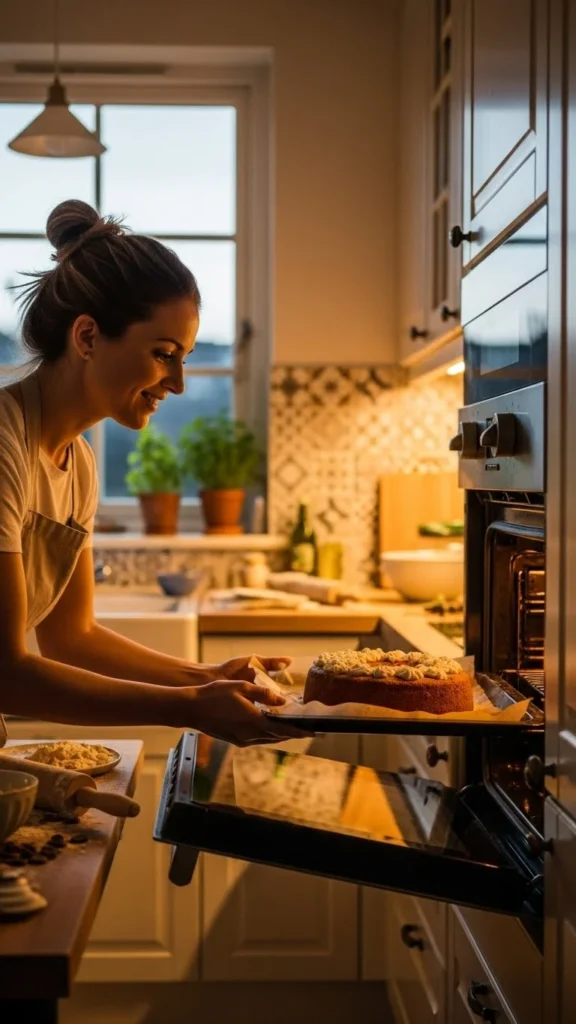
When baking becomes something you look forward to, improvement happens naturally.
Final Takeaway
Dessert baking doesn’t require talent—just patience, curiosity, and practice. Start simple. Learn one step at a time. Trust the process, and trust yourself.
Save this guide, pick one dessert, and start baking today. Your future self (and everyone who tastes your desserts) will thank you 🍰