There’s a special kind of comfort in classic desserts—the kind that filled the kitchen with warm aromas and brought everyone to the table without being asked. Grandma’s desserts weren’t flashy or complicated. They were simple, dependable, and made with love, patience, and a handful of pantry staples.

If you’ve ever wanted to recreate that old-fashioned magic, you’re in the right place. Here’s how to make classic desserts the way Grandma did—timeless, comforting, and always worth the effort.
Start With Simple, Honest Ingredients
Classic desserts were built on what was available—not specialty items or shortcuts. The focus was on quality and balance.
Grandma-style staples include:
- Flour
- Sugar (white and brown)
- Butter
- Eggs
- Milk or cream
- Vanilla extract
- Baking powder or baking soda
- Seasonal fruit
There were no swaps for convenience. Butter meant butter. Milk meant whole milk. This simplicity is what gave old-fashioned desserts their rich, familiar flavor.
💡 Tip: Let ingredients come to room temperature before baking. This was standard practice and makes a big difference in texture.
Measure Carefully, Mix Gently
Unlike modern “dump-and-go” recipes, classic desserts relied on careful measuring and gentle mixing.
Old-school baking rules:
- Spoon flour into measuring cups, don’t scoop
- Cream butter and sugar until light and fluffy
- Mix just until combined—no overworking
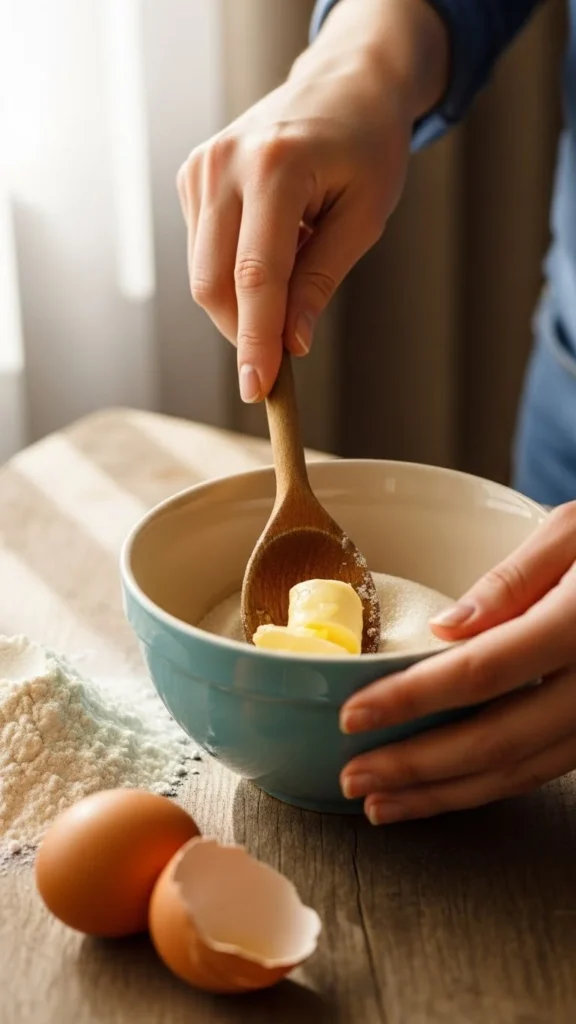
Overmixing was avoided because Grandma knew it made cakes tough and cookies dense. Patience was part of the recipe.
Master the Core Classics First
Most traditional desserts were variations of a few reliable foundations. Once you know these, everything else falls into place.
Start with these classics:
- Pound cake – equal parts butter, sugar, eggs, and flour
- Fruit pie – flaky crust and lightly sweetened fruit
- Sugar cookies – simple dough, rolled and baked evenly
- Rice pudding – milk, sugar, rice, and slow cooking
- Custard or bread pudding – humble ingredients transformed
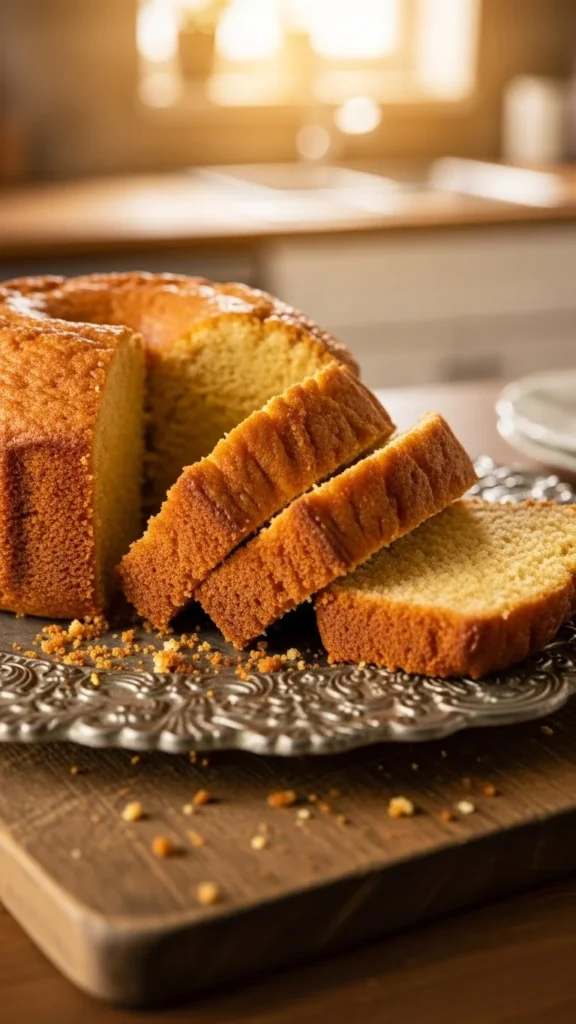
These desserts weren’t rushed. They baked slowly and cooled fully before serving—another lost habit worth bringing back.
Use Low Heat and Take Your Time
Grandma didn’t rely on timers alone. She watched, smelled, and listened.
Signs your dessert is ready:
- Cakes pull slightly from the pan edges
- Pies bubble gently in the center
- Cookies turn lightly golden, not dark
- Custards jiggle softly, not slosh
Lower oven temperatures were common, allowing desserts to bake evenly without burning. Rushing was never part of the process.
Let Texture Guide You, Not Just Instructions
Many classic recipes were passed down by feel, not precision.
What Grandma looked for:
- Dough that felt soft, not sticky
- Batter that fell slowly from a spoon
- Pie crust that stayed cool to the touch

Trust your senses. They’re just as important as the recipe.
Keep Decoration Simple and Meaningful
Classic desserts didn’t need elaborate decoration. They let flavor do the talking.
Traditional finishes:
- Powdered sugar dusting
- Light glaze
- Whipped cream
- Fresh fruit
- A simple lattice crust

Presentation was warm and inviting—not perfect. Slight imperfections meant it was homemade.
Serve Warm, Share Often
Grandma-style desserts were meant to be shared, usually warm and fresh.
Serving traditions:
- Slice cakes generously
- Serve pies slightly warm
- Pair with coffee, tea, or milk
- Sit down together whenever possible
Dessert wasn’t just food—it was time spent together.
Store the Old-Fashioned Way
Classic desserts were stored simply:
- Covered with a clean towel
- Kept in a cool spot
- Refrigerated only when necessary
Many cakes and cookies stayed moist for days without airtight containers, thanks to their rich ingredients.
Final Thoughts
Making classic desserts like Grandma did is about slowing down, trusting simple ingredients, and baking with care. These recipes weren’t designed for speed—they were made for comfort, consistency, and connection.
When you bake this way, you’re not just making dessert. You’re keeping a tradition alive, one pie, cake, or cookie at a time.
🥧 Save this guide for later and bring a little old-fashioned sweetness back into your kitchen.