A great dessert is good on its own—but add the right sauce, and suddenly it feels restaurant-level. A warm drizzle, a glossy swirl, or a silky spoonful can turn brownies into showstoppers and plain ice cream into something unforgettable. The secret? Dessert sauces don’t need to be complicated. They just need balance, texture, and intention.
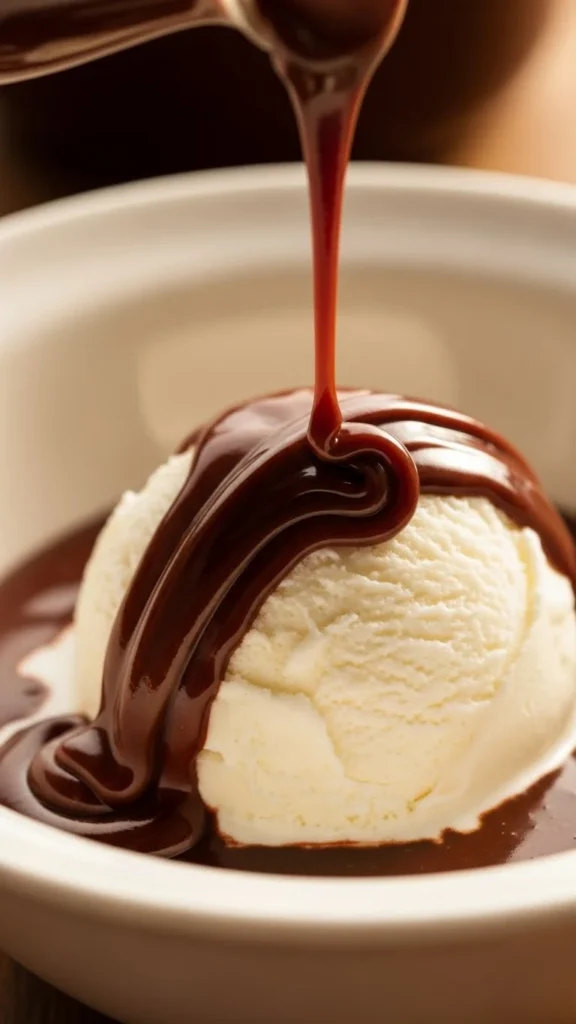
Whether you love chocolate, fruit, caramel, or custard-style sauces, this guide will show you how to make dessert sauces that truly elevate any sweet.
Understand What Makes a Great Dessert Sauce
Before grabbing a saucepan, it helps to know what separates a meh sauce from a magical one.
Great dessert sauces have:
- Balanced sweetness (never cloying)
- Smooth, spoonable texture
- Depth of flavor, not just sugar
- Versatility across desserts
A good sauce should complement the dessert, not overpower it. Think harmony, not dominance.
Start With Quality Ingredients
Dessert sauces are simple, which means every ingredient matters.
Focus on:
- Real butter, cream, or milk
- Good-quality chocolate or cocoa
- Fresh fruit (or frozen with no added sugar)
- Pure vanilla extract
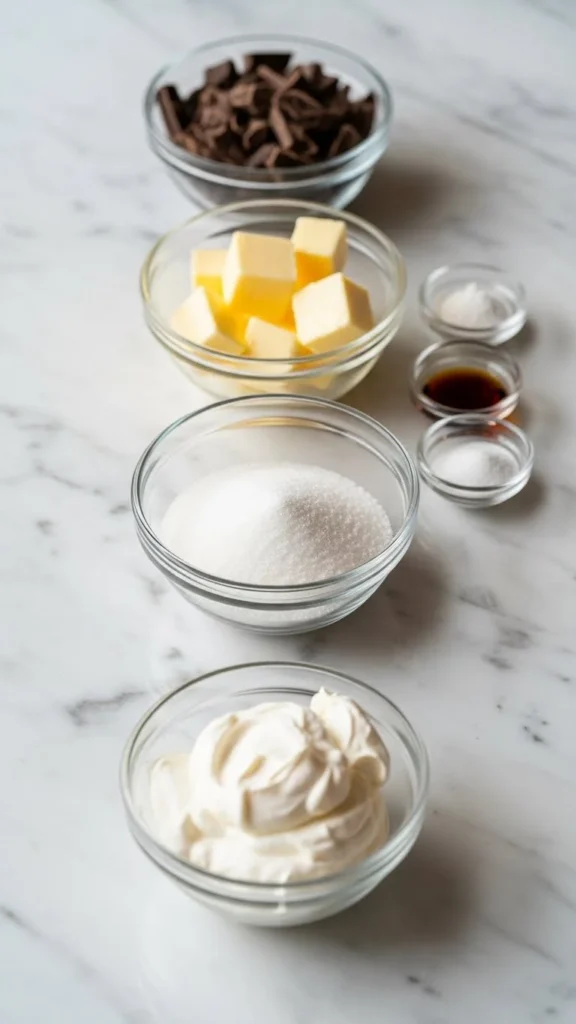
Avoid artificial flavorings whenever possible. When there are only a few ingredients, shortcuts show fast.
Master the Big Four Dessert Sauces
Most dessert sauces fall into a few classic categories. Once you understand these, you can mix and match flavors endlessly.
Chocolate Sauces
Rich and crowd-pleasing, chocolate sauces work on almost everything.
Tips:
- Use chopped chocolate, not chips, for smoother melting
- Add cream gradually for control
- A pinch of salt makes chocolate pop
Perfect for: ice cream, cakes, churros, brownies
Caramel Sauces
Caramel is all about timing and confidence.
Key points:
- Let sugar melt fully before stirring
- Watch the color—it should be amber, not dark brown
- Warm cream prevents splattering
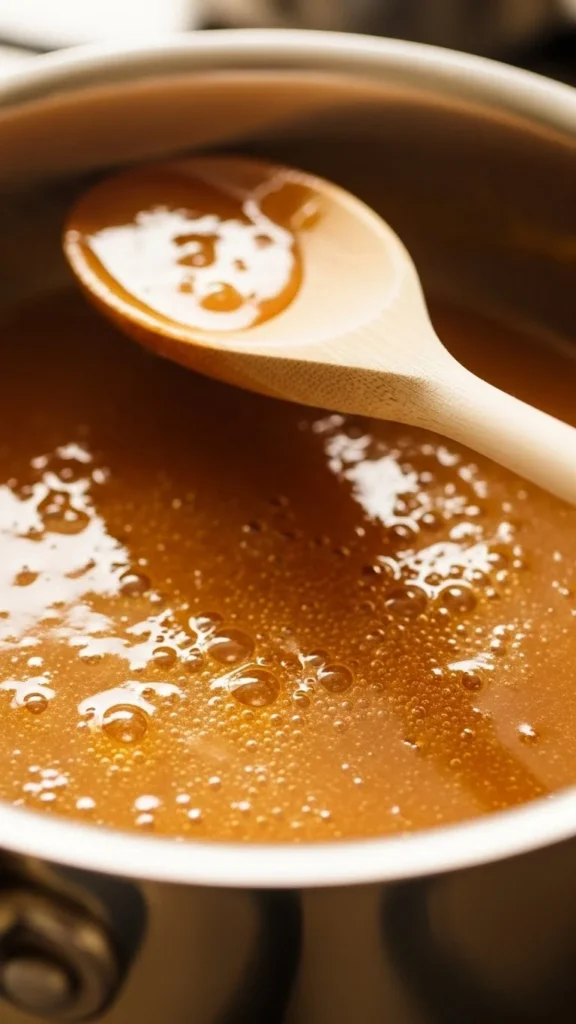
Perfect for: apple desserts, cheesecakes, blondies, pancakes
Fruit Sauces
Fruit sauces add brightness and contrast to rich desserts.
How to keep them fresh:
- Cook just until fruit breaks down
- Add citrus juice at the end
- Don’t overload with sugar
Perfect for: cheesecakes, yogurt, pavlova, waffles
Creamy & Custard-Style Sauces
These sauces feel luxurious and soft.
Common examples:
- Vanilla custard
- Crème anglaise
- Sweetened cream sauces
Perfect for: warm cakes, poached fruit, bread pudding
Control Texture Like a Pro
Texture is what makes a sauce feel luxurious.
If your sauce is:
- Too thick → Add warm cream, milk, or water
- Too thin → Simmer gently to reduce
- Grainy → Whisk off heat or blend briefly
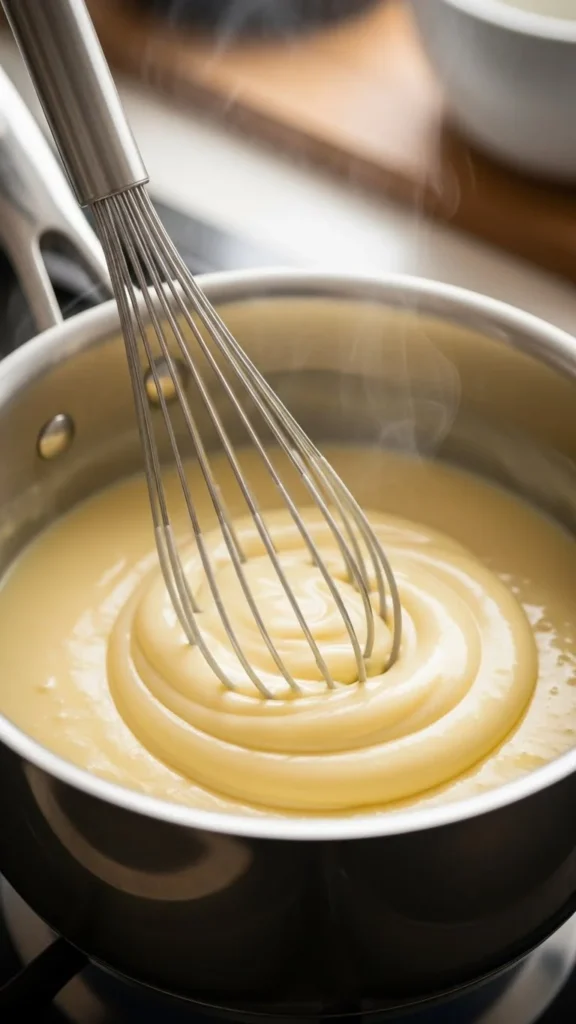
Aim for a sauce that coats the back of a spoon but still pours easily.
Layer Flavor Without Making It Heavy
Simple additions can transform a basic sauce into something special.
Try adding:
- Citrus zest (lemon, orange, lime)
- Espresso powder to chocolate sauces
- Vanilla bean or paste
- A pinch of salt or spice
Add flavor boosters after cooking when possible to keep them fresh and aromatic.
Pair Sauces With Desserts Intentionally
The best dessert-sauce combos are about contrast.
Think:
- Warm sauce + cold dessert
- Sweet sauce + lightly bitter base
- Creamy sauce + crunchy texture
Examples:
- Chocolate sauce on tangy cheesecake
- Berry sauce on rich chocolate cake
- Caramel over salty brownies

Sauce should enhance the dessert’s strengths, not compete with them.
Store and Reheat the Smart Way
Most dessert sauces store beautifully if handled right.
Best practices:
- Store in airtight containers
- Refrigerate dairy-based sauces
- Reheat gently over low heat
- Stir well before serving
If a sauce thickens in the fridge, a splash of warm cream brings it back to life.
The Takeaway
Dessert sauces are the easiest way to upgrade everyday sweets into something memorable. With good ingredients, gentle heat, and balanced flavor, you can create sauces that look beautiful, taste incredible, and work on almost any dessert.