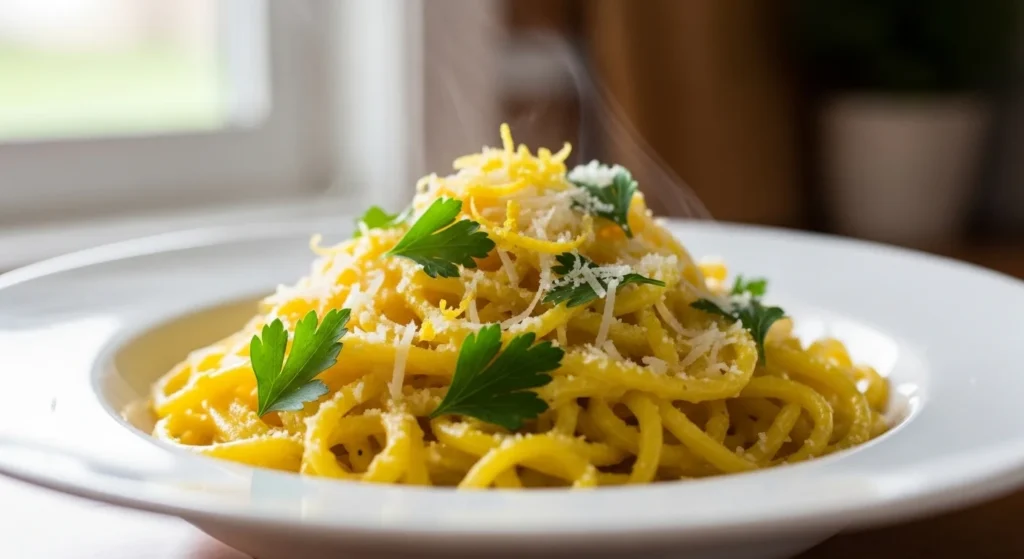
There’s something magical about a bowl of lemon pasta. It’s silky, glossy, and bursting with fresh citrus flavor — yet it comes together in about 20 minutes with simple pantry staples. No heavy cream. No complicated steps. Just classic Italian technique doing all the work.
If you’ve ever wondered how restaurants get that perfectly creamy (but not heavy) sauce, the secret is all about pasta water, butter, Parmesan, and fresh lemon zest working in harmony.
Let’s make it step by step.

Why This Lemon Pasta Works
Before we cook, here’s the quick science behind that dreamy texture:
- Starchy pasta water emulsifies the sauce
- Cold butter creates a glossy finish
- Finely grated Parmesan melts smoothly
- Lemon zest first, juice second maximizes flavor
- Low heat keeps the sauce from breaking
Master these, and you’ll never have dry or clumpy lemon pasta again.
Ingredients You’ll Need
Simple ingredients — but each one matters.
For the pasta:
- 12 oz spaghetti or bucatini
- 1–2 cups reserved pasta water
- 3 tbsp unsalted butter (cold, cubed)
- ¾ cup finely grated Parmesan
- Zest of 1 large lemon
- 2–3 tbsp fresh lemon juice
- 1 small garlic clove (optional, very finely minced)
- Salt and black pepper to taste
- Fresh parsley or basil (optional)
- Red pepper flakes (optional)
Best pasta shapes:
- Spaghetti (classic)
- Bucatini (great sauce trapping)
- Capellini (ultra delicate)

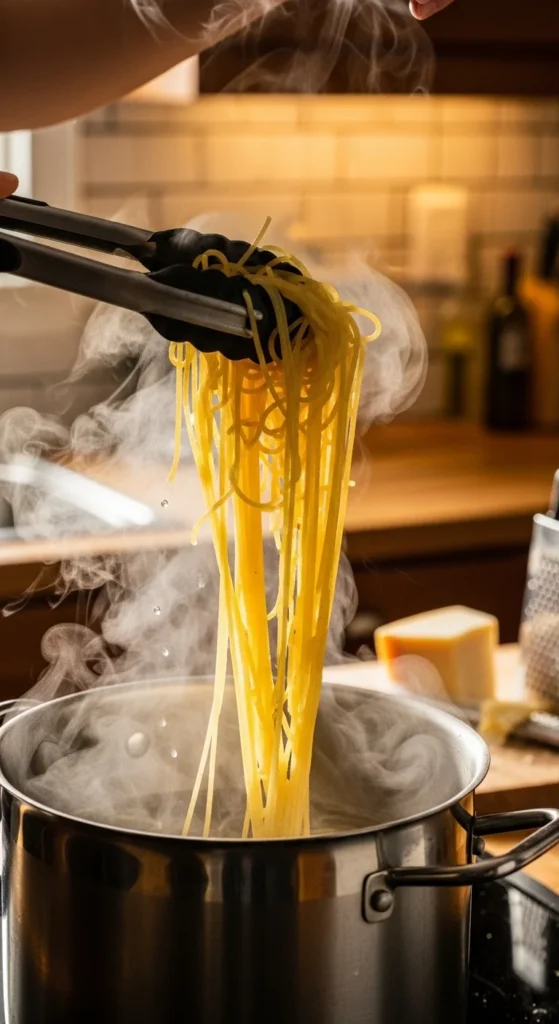
Step 1: Cook the Pasta (But Don’t Drain It!)
Bring a large pot of salted water to a boil and cook your pasta until just al dente.
Important tips:
- Salt the water well (it should taste like the sea)
- Undercook by about 1 minute
- Reserve 1–2 cups pasta water before removing pasta
- Use tongs or a spider to transfer pasta — don’t fully drain
Why this matters: the starch clinging to the pasta helps the sauce emulsify.
Step 2: Build the Lemon Butter Base
In a large skillet over low heat, melt 1 tablespoon butter.
If using garlic:
- Add finely minced garlic
- Cook gently for 30–45 seconds
- Do NOT brown it (this causes bitterness)
Now add:
- Lemon zest (always zest first!)
Let it warm briefly to release the oils. Your kitchen should smell amazing already.
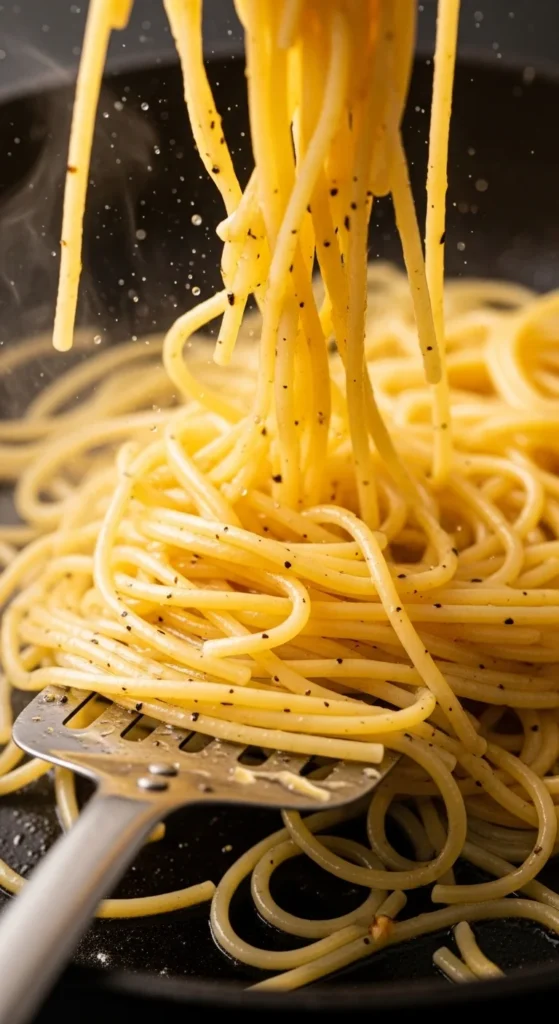
Step 3: Create the Silky Emulsion
This is the step that transforms everything.
Add the hot pasta directly into the skillet. Then:
- Add ½ cup pasta water
- Toss continuously with tongs
- Add remaining cold butter cubes
- Sprinkle in Parmesan gradually
- Toss, toss, toss
If the sauce looks tight or clumpy:
- Add pasta water a splash at a time
- Keep heat low
- Keep tossing
You’re looking for that glossy, silky coating.
Step 4: Add Lemon Juice and Finish
Once the sauce is creamy and smooth:
- Turn heat to very low
- Add fresh lemon juice
- Toss gently to combine
- Season with salt and black pepper
Optional upgrades:
- Pinch of red pepper flakes
- Chopped parsley or basil
- Extra Parmesan on top
Taste and adjust: Lemon pasta should be bright but balanced — never sour or flat.
Step 5: Serve Immediately
Lemon pasta waits for no one. The sauce is at peak silkiness right after tossing.
Twirl into warm bowls and finish with:
- Extra lemon zest
- Fresh herbs
- Fine Parmesan snow

Pro Tips for Perfect Lemon Pasta
✅ Use the Zest-First Method
Zest contains the lemon’s essential oils. Adding it early builds deeper flavor.
✅ Control the Heat
High heat = broken sauce.
Keep things gentle and patient.
✅ Microplane Your Parmesan
Finely grated cheese melts smoothly and prevents clumps.
✅ Master the Pasta Water Ratio
Start with ½ cup, then add in small splashes until silky.
✅ Toss — Don’t Stir
Constant tossing helps emulsify the sauce properly.
Easy Variations to Try
Once you master the base, customize it.
Protein upgrades
- Garlic shrimp
- Grilled chicken
- Seared scallops
Vegetable add-ins
- Roasted asparagus
- Spinach
- Peas
- Zucchini ribbons
Flavor twists
- Splash of white wine
- Extra garlic
- Chili oil drizzle
- Toasted breadcrumbs on top
Troubleshooting Common Problems
Sauce looks dry
→ Add more pasta water and toss over low heat.
Sauce broke or looks greasy
→ Heat too high. Add splash of water and toss off heat.
Lemon flavor is weak
→ Add more zest, not just juice.
Garlic tastes bitter
→ It browned. Next time cook it gently.
The Bottom Line
Bright, creamy lemon pasta is proof that simple ingredients can create something truly special. With the right technique — especially pasta water emulsification and low heat tossing — you’ll get restaurant-quality results in your own kitchen.
✨ Once you try it, this will become your go-to 20-minute comfort meal.
Save this recipe for later and pin it for your next pasta night!