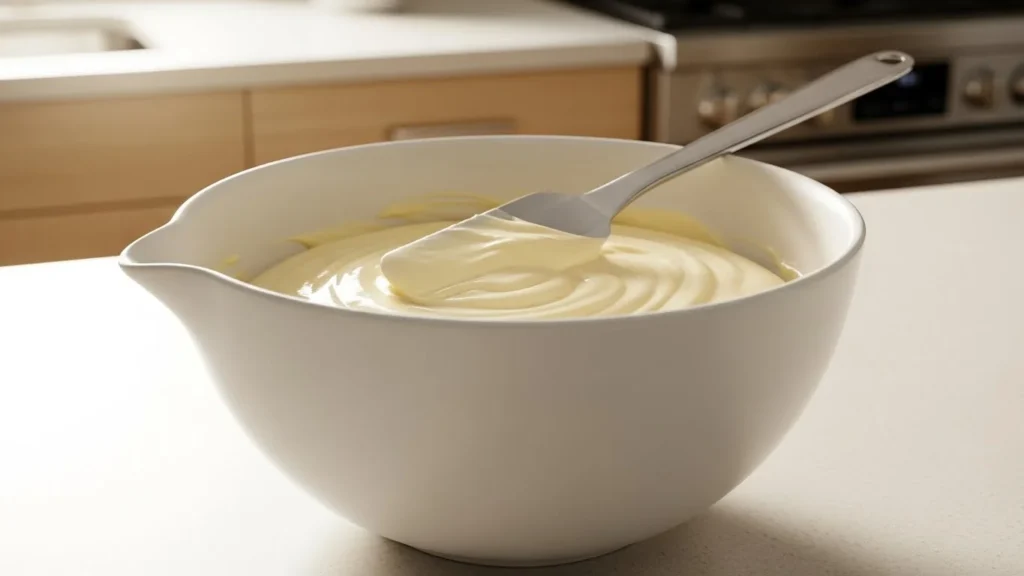
Few things are as disappointing as biting into a cream cheese dessert that’s lumpy, grainy, or oddly stiff. Cheesecakes, frostings, bars, and no-bake treats are meant to be luxuriously smooth. The good news? That silky texture isn’t about secret ingredients—it’s about technique. With a few simple adjustments, you can make cream cheese desserts that look polished, taste rich, and feel bakery-level every time.
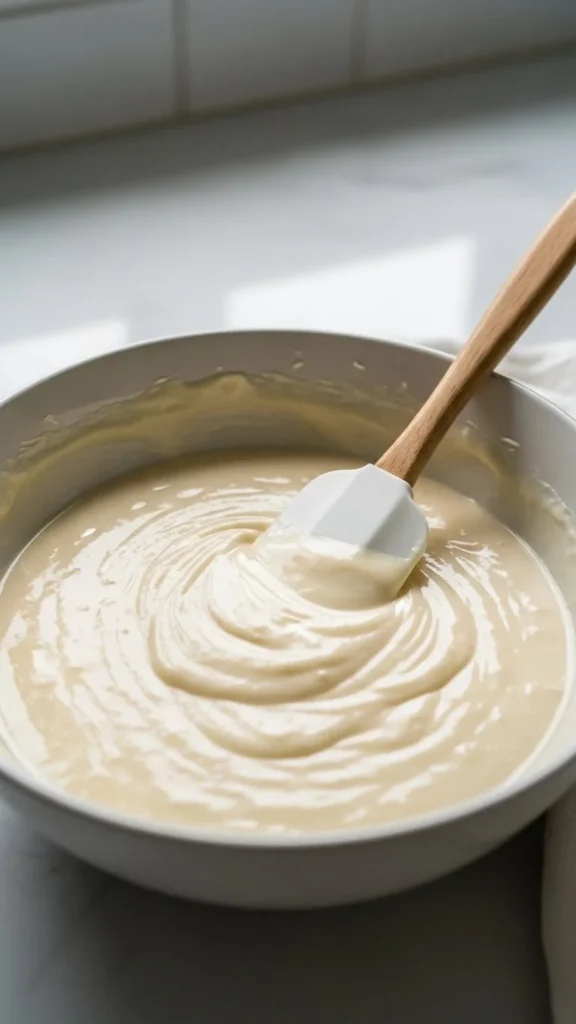
Start With Properly Softened Cream Cheese
This is the most important step—and the most commonly rushed. Cold cream cheese will never mix smoothly, no matter how powerful your mixer is.
For best results:
- Let cream cheese sit at room temperature for 45–60 minutes
- It should feel soft when pressed, not squishy or melted
- Avoid microwaving unless you’re extremely careful
Microwaving can cause uneven softening, which leads to lumps later. Patience here saves frustration later.
Beat Cream Cheese Before Adding Anything Else
Cream cheese needs to be fully smooth on its own before other ingredients join the party. This step breaks down lumps early.
How to do it right:
- Beat cream cheese alone for 1–2 minutes
- Scrape the bowl and beat again
- Look for a creamy, spreadable texture
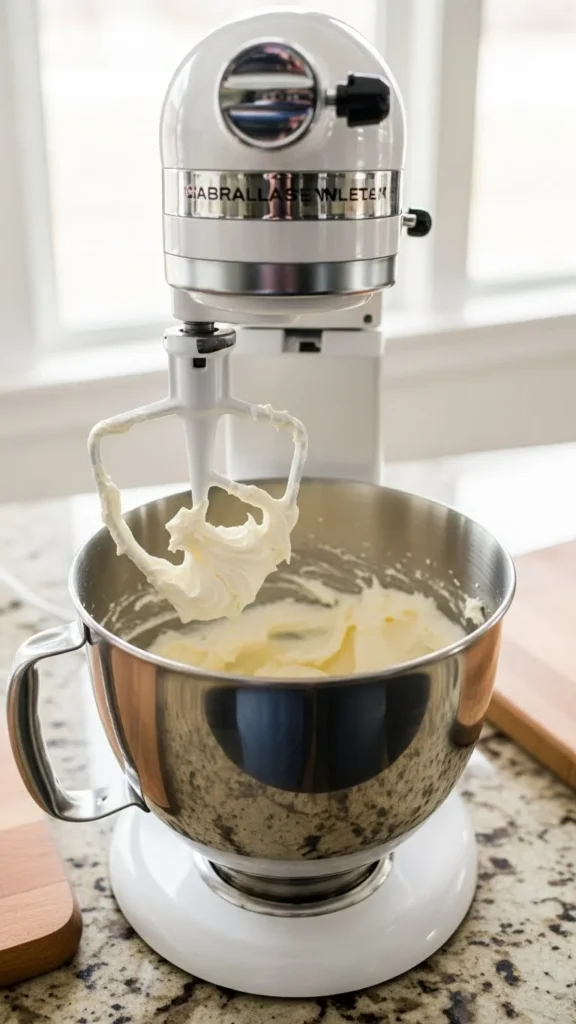
Once it’s silky by itself, everything else blends more easily.
Add Ingredients in the Right Order
Dumping everything in at once is a shortcut to grainy texture. Order matters.
Best mixing order:
- Cream cheese
- Sugar
- Eggs or liquid ingredients
- Flavorings (vanilla, citrus, chocolate)
Sugar helps break down cream cheese structure, so adding it early improves smoothness. Eggs and liquids should always go in last and slowly.
Mix Gently Once Eggs Are Added
Overmixing after adding eggs introduces too much air. That air can cause cracks, bubbles, or a spongy texture—especially in baked desserts.
Smart mixing tips:
- Use low speed once eggs go in
- Mix just until combined
- Stop as soon as batter looks uniform
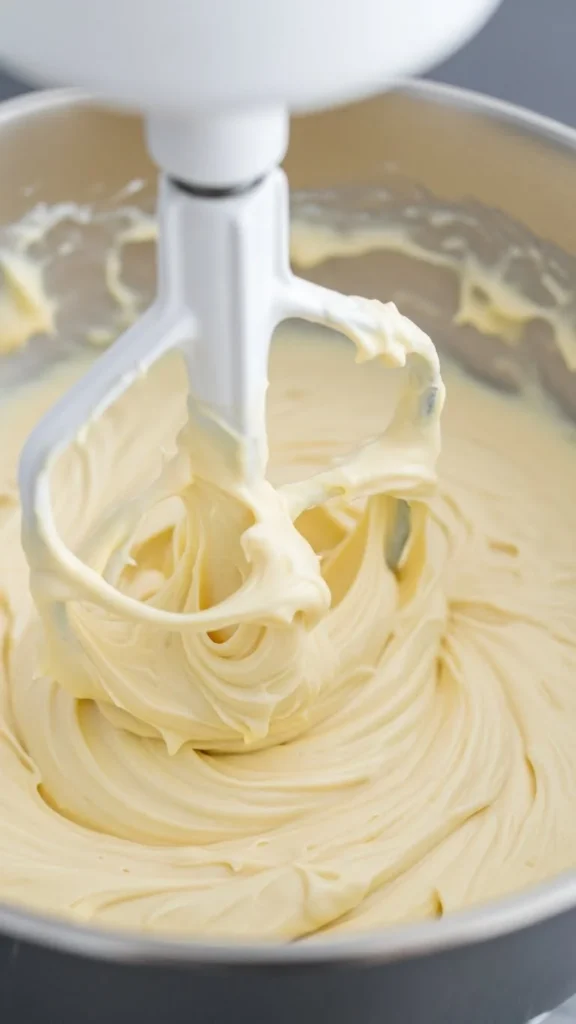
Smooth doesn’t mean fluffy—cream cheese desserts should be dense and creamy, not airy.
Scrape the Bowl (More Than You Think)
Lumps love to hide along the bottom and sides of mixing bowls. If you don’t scrape, they sneak into the final dessert.
When to scrape:
- After beating cream cheese
- After adding sugar
- Halfway through final mixing
Use a flexible spatula and scrape thoroughly. This tiny habit makes a huge difference.
Balance Fat and Liquid Carefully
Cream cheese desserts rely on balance. Too much liquid can thin the texture; too little fat can make it stiff or grainy.
Helpful balance tips:
- Use full-fat cream cheese whenever possible
- Measure liquids accurately
- Add cream or sour cream gradually
Sour cream and heavy cream help create that signature smoothness, especially in cheesecakes and frostings.
Use the Right Temperature for Baking
For baked cream cheese desserts, temperature control matters just as much as mixing.
Best practices:
- Bring batter close to room temperature before baking
- Bake low and slow when possible
- Avoid sudden temperature changes
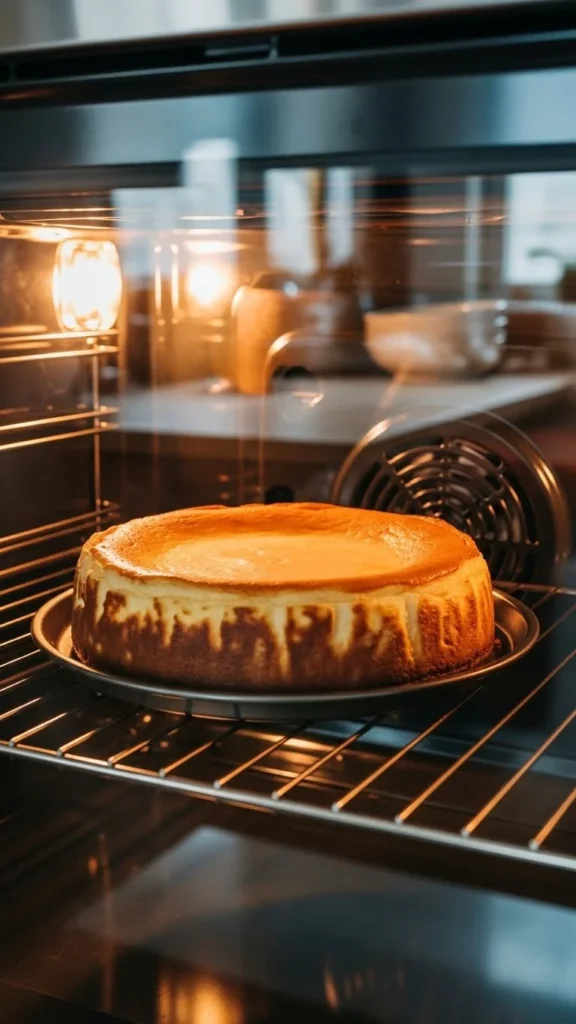
Rapid heat can cause curdling or cracking, which ruins that smooth interior.
Let Desserts Cool Slowly
Fast cooling can undo all your careful work. Sudden temperature changes cause texture issues and cracks.
Cooling tips:
- Turn off oven and crack the door slightly
- Let cheesecake cool gradually inside
- Chill fully before slicing
Smooth texture often sets during cooling, not baking.
Fix Minor Lumps Without Panic
If you notice small lumps before baking or chilling, don’t panic.
Quick fixes:
- Switch to a whisk and mix gently
- Use a hand blender briefly
- Strain batter for ultra-smooth results
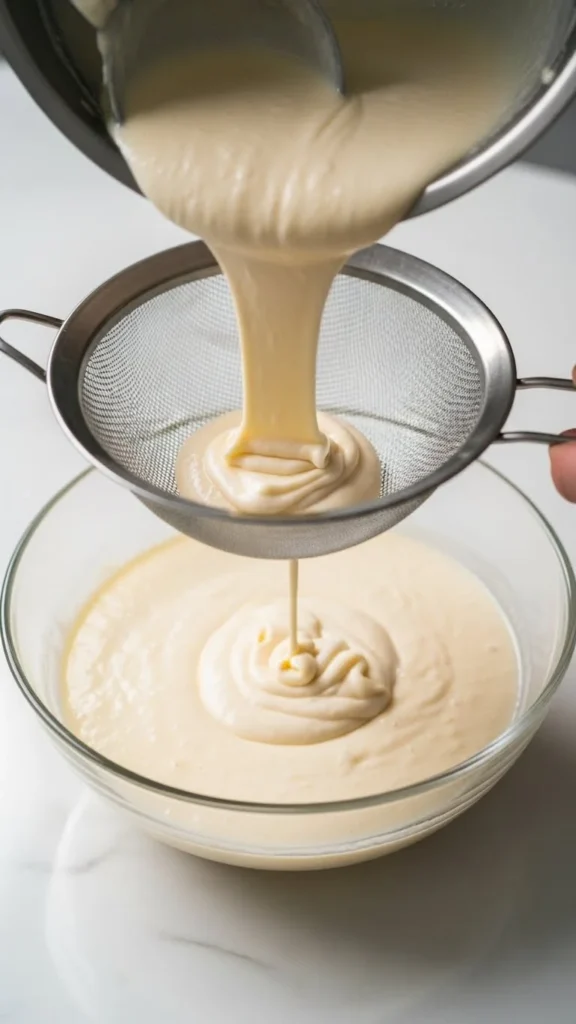
These tricks are especially useful for no-bake desserts and frostings.
Frostings: Extra Smoothness Tips
For cream cheese frosting, smoothness depends on consistency.
Try this:
- Beat cream cheese and butter separately, then together
- Add powdered sugar slowly
- Finish with a short, gentle mix
If frosting feels too soft, chill briefly. If too stiff, add a teaspoon of cream at a time.
Final Takeaway
Smooth cream cheese desserts come down to patience, order, and gentle handling. Softened cream cheese, proper mixing, careful temperature control, and thorough scraping transform good desserts into great ones.
Save this guide for your next cheesecake, frosting, or no-bake treat—and enjoy cream cheese desserts that are perfectly smooth, every single time 🍰✨