Custard desserts are creamy, elegant, and deeply comforting—but let’s be honest, the water bath part can feel intimidating. Sloshing pans, boiling kettles, foil-wrapped dishes… it’s enough to make anyone second-guess dessert plans. The good news? You can make smooth, luscious custard desserts without a water bath—and still get fantastic results.
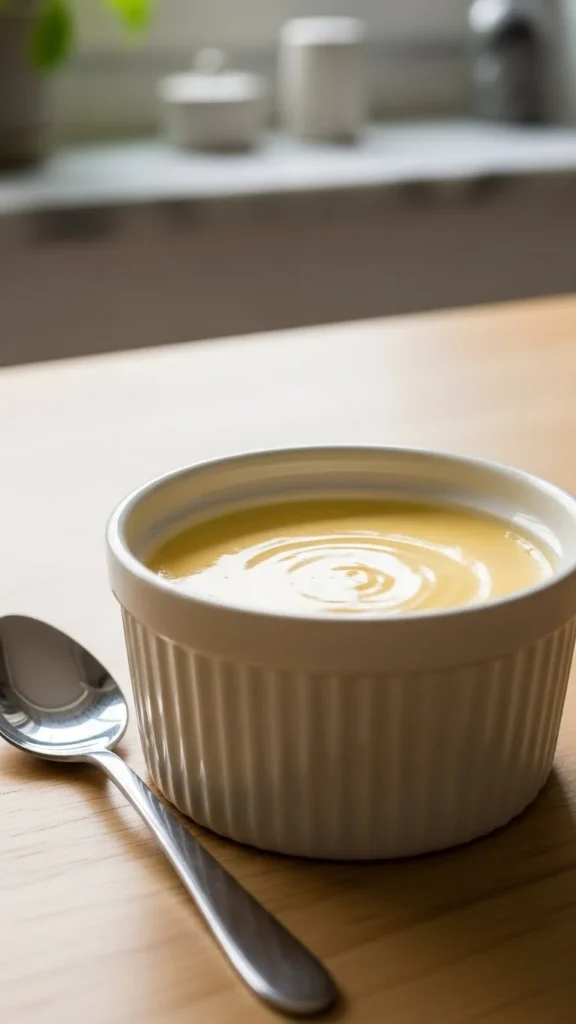
The key is understanding heat, ingredients, and timing. Once you do, custard becomes far less fussy and much more approachable.
Why Custards Usually Use a Water Bath
Traditional custards (like flan, crème brûlée, or baked pudding) are delicate. A water bath—also called a bain-marie—helps control heat by surrounding the dish with warm water so the custard cooks gently and evenly.
Without that buffer, custard can:
- Overcook at the edges
- Curdle or scramble
- Crack on top
But with a few smart adjustments, you can skip the water bath and still protect that creamy texture.
Choose the Right Custard Style
Not all custards behave the same. Some are naturally more forgiving.
Best custards without a water bath:
- Stovetop custards (pastry cream, pudding)
- Pot de crème
- Custard pies with thicker fillings
- Low-temperature baked custards
- Cream-based custards with extra fat
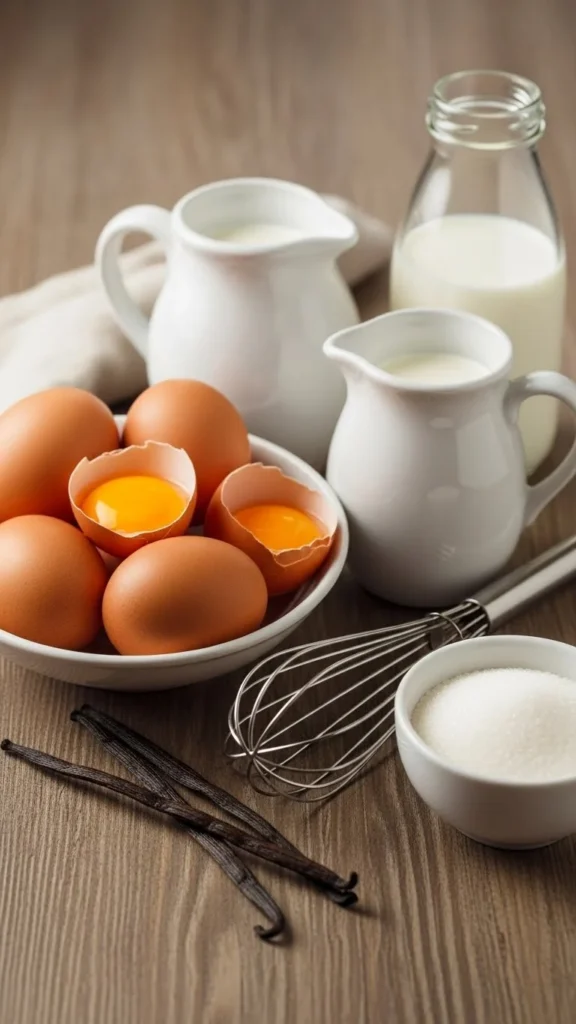
Custards with more cream than milk and fewer eggs tend to be more stable, which makes them ideal for water-bath-free baking.
Use Gentle, Low Heat (This Is Everything)
High heat is the enemy of smooth custard. When skipping the water bath, temperature control becomes critical.
Best practices:
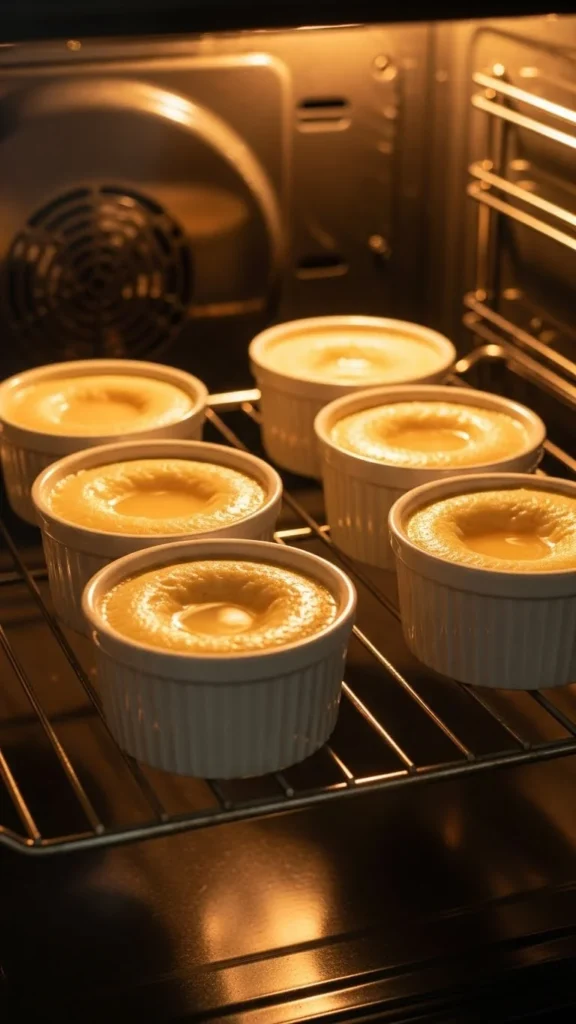
- Bake custards at 300–325°F (150–165°C)
- Place the dish on the middle rack
- Avoid convection/fan settings
- Preheat fully before baking
Lower heat gives eggs time to thicken slowly instead of seizing up. It may take a little longer—but the texture payoff is worth it.
Adjust Your Egg Ratio for Stability
Eggs are what set custard—but too many can make it rubbery.
For no–water bath custards:
- Use more yolks, fewer whites
- Add extra cream to balance the eggs
- Avoid recipes that rely heavily on whole eggs only
Yolks thicken smoothly, while whites firm up quickly and can cause curdling.
Simple swap: Replace 1 whole egg with 2 yolks for a silkier result.
Warm the Dairy Before Mixing
Cold dairy added to eggs can cause uneven cooking. Gently warming your milk or cream makes a big difference.
How to do it:
- Heat dairy until steaming, not boiling
- Slowly whisk it into eggs and sugar
- Strain the mixture to remove bubbles
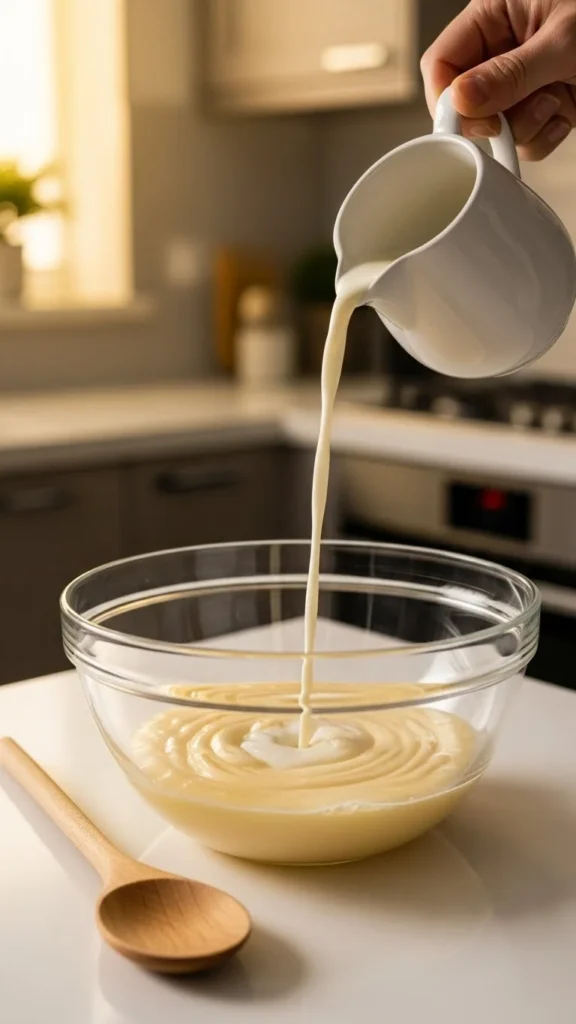
This step creates a smoother base that bakes more evenly without harsh temperature shock.
Use the “Wiggle Test,” Not a Timer
Custards are done by feel, not just time.
Look for these signs:
- Edges are set
- Center jiggles slightly like gelatin
- Surface looks glossy, not dry
- A knife inserted near the edge comes out mostly clean
If the center looks liquid, it’s not ready. If it’s completely firm, it’s likely overbaked.
Custard continues to set as it cools—so pull it just before it looks finished.
Shield the Custard From Direct Heat
Without water surrounding the dish, you can still soften heat exposure.
Easy protection methods:
- Use ceramic or glass dishes (not metal)
- Place custard dish inside a larger empty pan
- Bake on a thick baking sheet
- Tent loosely with foil if browning too fast
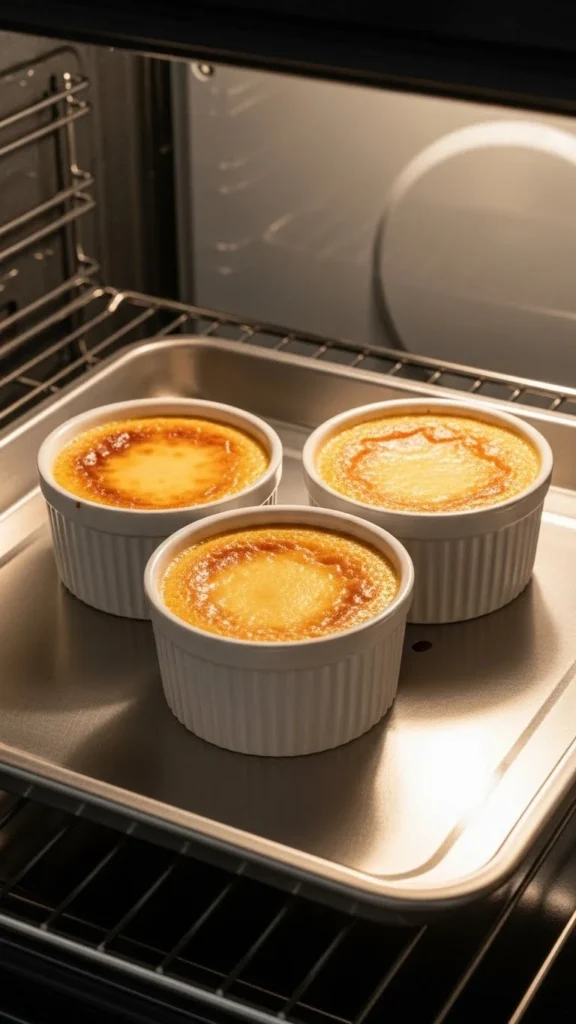
These tricks mimic the gentle heat effect of a water bath—without the mess.
Chill Properly for Best Texture
Custards improve dramatically after chilling.
Cooling tips:
- Let cool at room temp for 30 minutes
- Refrigerate at least 2–4 hours
- Cover once fully cool to avoid condensation
Chilling firms the custard and smooths the texture, making it feel richer and more luxurious.
Common Custard Mistakes to Avoid
- Baking at high temperatures
- Skipping straining (bubbles ruin texture)
- Overbaking “to be safe”
- Using low-fat dairy
- Rushing the chill time
Custard rewards patience more than precision.
Final Takeaway: Custard Can Be Simple
Making custard desserts without a water bath isn’t a shortcut—it’s just a smarter approach. With low heat, the right ratios, and a little patience, you can create creamy, elegant custards without extra steps or stress.
Once you try it this way, you may never go back.
🍮 Save this guide for later and enjoy smooth, stress-free custard desserts anytime.