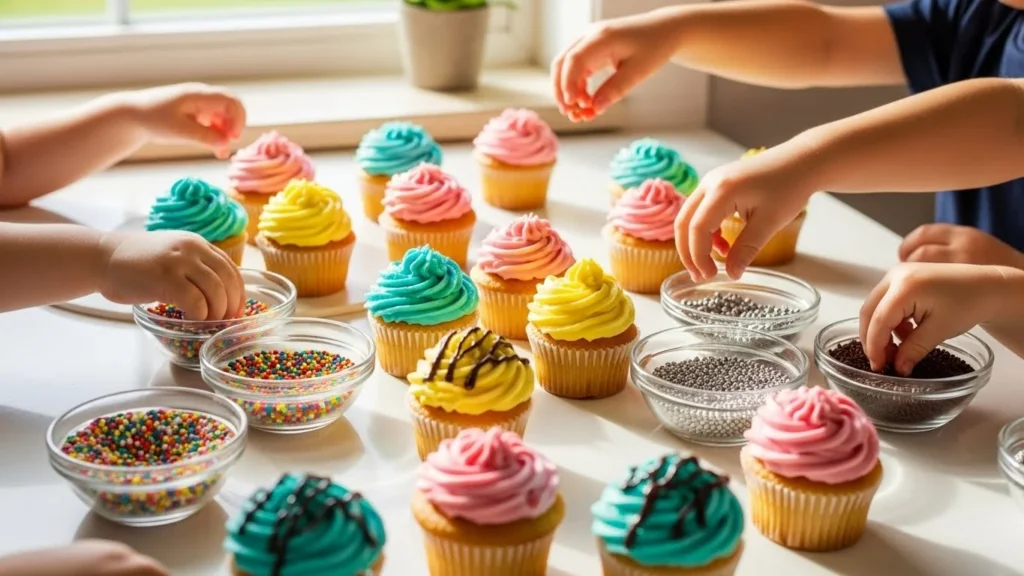
Getting kids excited about desserts isn’t just about adding sugar—it’s about color, texture, fun shapes, and letting them feel involved. The best kid-approved desserts are simple, playful, and familiar, with just enough creativity to feel special. Whether you’re baking for a party, a weekend treat, or everyday fun, these tips will help you make desserts kids actually ask for again.

Start With Flavors Kids Already Trust
Kids are adventurous in small doses, but desserts work best when you begin with flavors they already know and love. Think chocolate, vanilla, strawberry, banana, and peanut butter. Once you have that comfort base, you can gently add variety.
Great kid-friendly flavor bases include:
- Chocolate cake or brownies
- Vanilla cupcakes or sugar cookies
- Strawberry yogurt or pudding
- Banana bread or muffins
Instead of reinventing the flavor, change the format. A plain chocolate cake becomes exciting when it’s turned into cake pops, layered parfaits, or bite-size squares. Familiar flavors + new shapes = instant interest.
Keep Portions Small and Manageable
Big slices can be overwhelming for kids. Mini desserts feel more fun and less intimidating, and they’re easier to eat without mess.
Try:
- Mini cupcakes instead of full-size ones
- Dessert cups or jars with layers
- Cookie sandwiches made with smaller cookies
- Bite-size brownies or bars

Smaller portions also mean kids are more likely to finish them and feel proud of doing so—always a win.
Add Color Without Going Overboard
Color is one of the biggest things that catches a child’s eye. You don’t need neon shades or artificial-looking desserts, but a pop of color goes a long way.
Easy ways to add color:
- Fresh berries on top of cakes or yogurt
- Naturally colored frostings (strawberry, cocoa, banana)
- Sprinkles, mini chocolate chips, or crushed cookies
- Colorful cupcake liners or serving plates
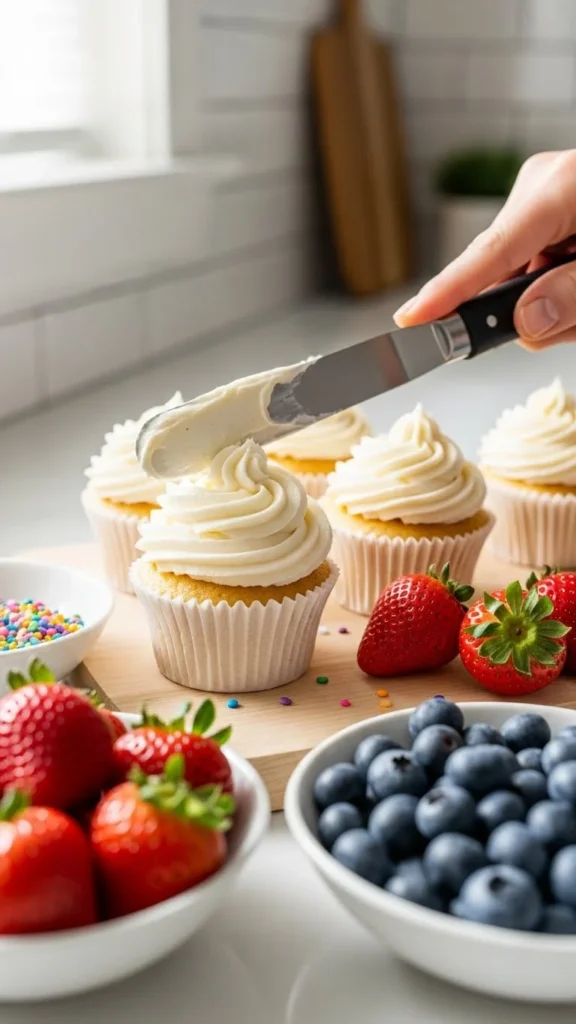
Stick to 2–3 colors per dessert so it looks fun but not chaotic—this also photographs beautifully for Pinterest.
Make Texture Fun, Not Tricky
Kids care a lot about texture, even if they can’t explain it. Desserts should be soft, chewy, creamy, or lightly crunchy—nothing too dry, dense, or complicated.
Kid-approved textures:
- Soft cake crumbs
- Chewy cookies
- Creamy puddings and mousses
- Crunchy toppings on top, not mixed in
Avoid textures that surprise them too much, like nuts inside cakes or overly thick fillings. If you do include crunch, let it be visible so kids know what to expect.
Let Kids Help (Even a Little)
When kids help make dessert, they’re far more likely to eat it. You don’t need to hand over the whole recipe—small tasks are enough to spark excitement.
Easy kid-friendly tasks:
- Stirring batter
- Adding toppings or sprinkles
- Lining cupcake trays
- Layering dessert cups
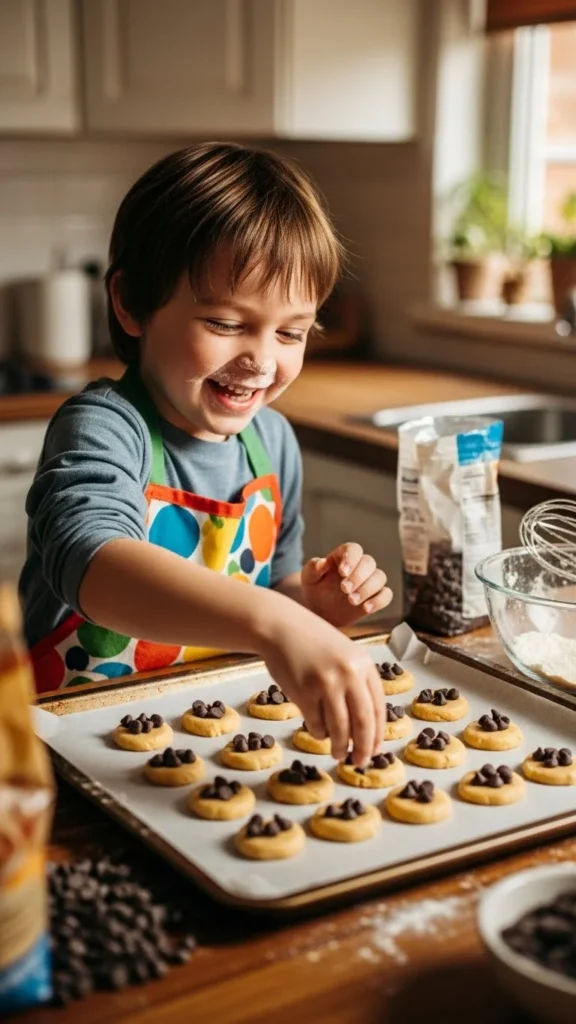
This turns dessert into an experience, not just food, and builds positive memories around baking.
Present It Like a Treat, Not a Chore
Presentation matters more than perfection. Kids don’t care if frosting is flawless—they care if it looks fun.
Simple presentation ideas:
- Serve desserts on colorful plates
- Use cupcake toppers or fun toothpicks
- Arrange treats in rows or patterns
- Add a light dusting of powdered sugar or drizzle
Even a basic dessert feels special when it’s clearly meant to be enjoyed.
Keep Ingredients Simple and Familiar
Long ingredient lists can lead to flavors kids don’t recognize. Simpler recipes usually win.
Aim for:
- Fewer ingredients
- Clear flavors
- Straightforward recipes
If kids can recognize what’s inside—chocolate, vanilla, fruit—they’ll feel more confident trying it.
End With a Sweet Takeaway
Making desserts kids actually love doesn’t require fancy techniques or complicated recipes. Start with familiar flavors, keep portions small, add color and soft textures, and let kids be part of the process. When dessert feels fun, approachable, and made for them, it becomes something they truly enjoy.
Save this guide for your next baking day, and turn dessert time into a moment everyone looks forward to 🍰