Cutting back on sugar doesn’t mean giving up dessert. In fact, some of the most memorable sweets aren’t overly sweet at all—they’re balanced, rich, and full of real flavor. The trick is knowing where sweetness comes from and how to build it without relying on heaps of sugar.
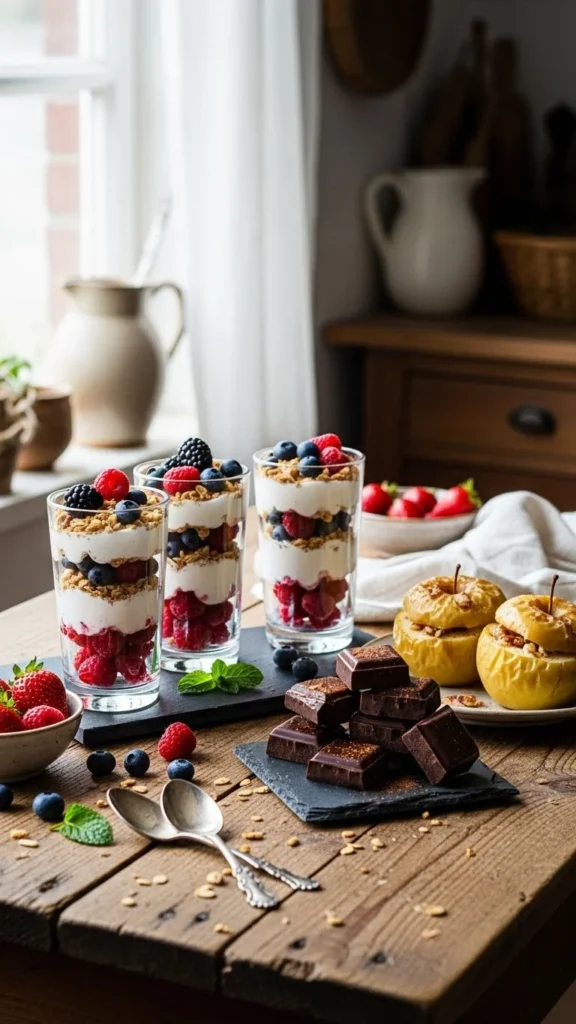
If you’ve ever tried a “low-sugar” dessert that tasted flat or disappointing, this guide is for you. Let’s talk about how to make low-sugar desserts that still feel indulgent, satisfying, and totally worth baking.
Rethink What Sweetness Really Means
Sugar does more than sweeten—it adds moisture, structure, and mouthfeel. When you reduce it, you need to replace function, not just flavor.
Smarter Ways to Add Sweetness
- Fruit-forward sweetness: Ripe bananas, dates, applesauce, and berries add natural sugars plus flavor.
- Dark chocolate: A little goes a long way. Choose 70–85% cocoa.
- Vanilla and spices: Vanilla, cinnamon, nutmeg, and cardamom enhance perceived sweetness.
- Salt (yes, really): A pinch of salt makes desserts taste sweeter without more sugar.
Low-sugar baking works best when you stop chasing “super sweet” and start aiming for balanced and rich.
Choose the Right Sugar Alternatives (and Use Them Wisely)
You don’t need to eliminate sugar entirely. Often, simply reducing it by 25–40% makes a huge difference without hurting flavor.
Popular Low-Sugar Options
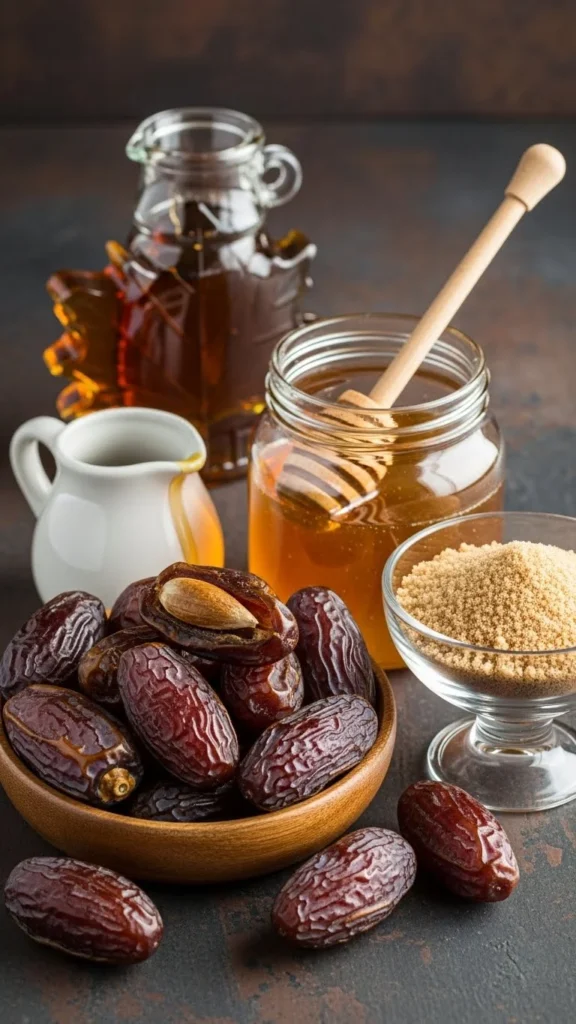
- Honey or maple syrup – More flavorful, so you can use less
- Coconut sugar – Lower glycemic and adds caramel notes
- Monk fruit or erythritol blends – Best for baked goods when combined with other sweeteners
- Dates and date paste – Perfect for brownies, bars, and no-bake desserts
Avoid using just one substitute at full strength. Layering sweetness creates depth and avoids odd aftertastes.
Build Flavor With Fats, Acids, and Texture
When sugar goes down, flavor needs backup. That’s where fats and acids shine.
Flavor-Boosting Ingredients to Lean On
- Full-fat yogurt or Greek-style alternatives
- Nut butters (almond, peanut, cashew)
- Citrus zest or juice
- Espresso powder for chocolate desserts
- Toasted nuts and seeds
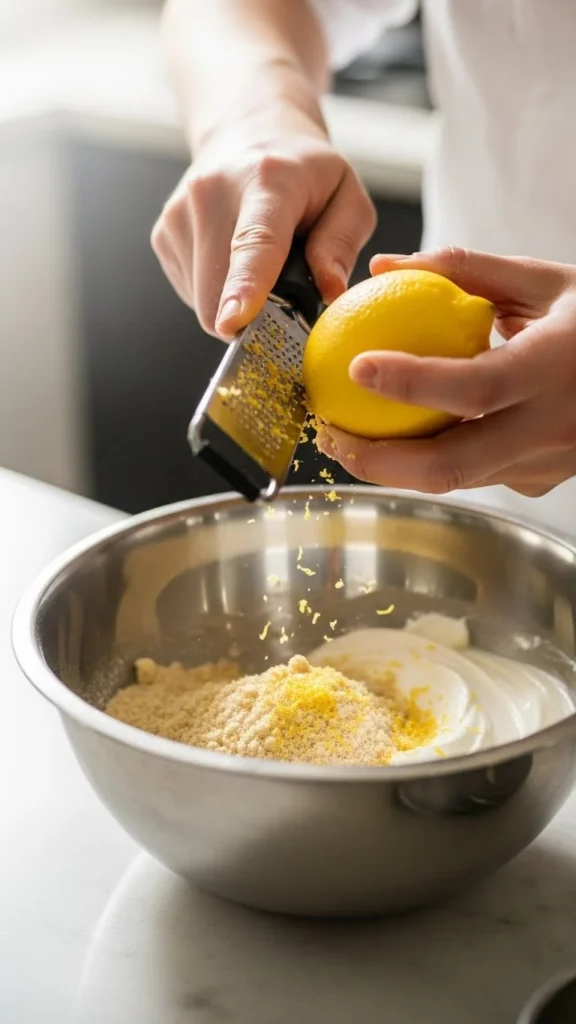
These ingredients create richness and contrast, so desserts feel satisfying even with less sweetness.
Start With Naturally Low-Sugar Dessert Styles
Some desserts don’t rely heavily on sugar in the first place, making them perfect starting points.
Easy Low-Sugar Dessert Ideas
- Fruit crisps and baked fruit – Let natural sugars shine
- Chia puddings – Sweetened lightly with fruit or vanilla
- Dark chocolate truffles – Small, intense, and satisfying
- Cheesecake-style desserts – Tangy and rich with less sugar
- Muffins and snack cakes – Reduce sugar and add fruit
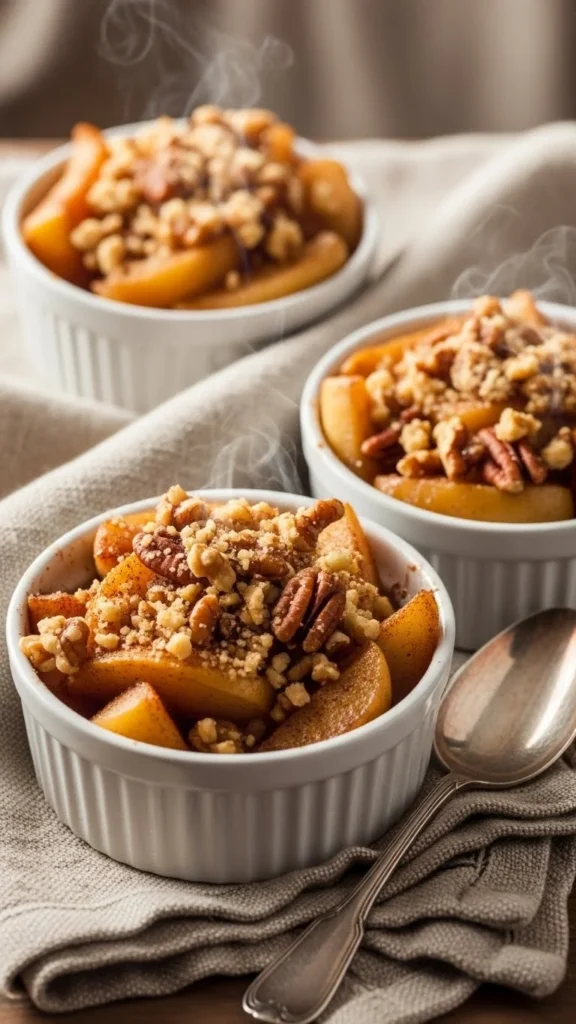
These desserts don’t feel “diet-y” because they were never meant to be overly sweet.
Adjust Baking Techniques for Better Results
Low-sugar desserts can dry out or taste flat if baked like traditional recipes. Small technique changes make a big difference.
Low-Sugar Baking Tips
- Bake slightly shorter to keep moisture
- Use smaller portions for satisfaction without overload
- Let desserts rest so flavors develop
- Serve with unsweetened whipped cream or yogurt for balance

Remember: sweetness becomes more noticeable as desserts cool, so don’t judge straight out of the oven.
Presentation Makes Low-Sugar Desserts Feel Special
When desserts look good, they taste better—especially when they’re less sweet.
Simple Presentation Upgrades
- Dust with cocoa powder or cinnamon
- Add fresh berries or citrus slices
- Drizzle a small amount of melted dark chocolate
- Use warm lighting and neutral plates
Low-sugar desserts shine when they feel intentional, not restrictive.
Final Takeaway
Making low-sugar desserts without losing flavor is all about balance. Use natural sweetness, boost flavor with spices and fats, and choose desserts that don’t depend on sugar to begin with. You’ll end up with treats that feel richer, more grown-up, and just as satisfying.