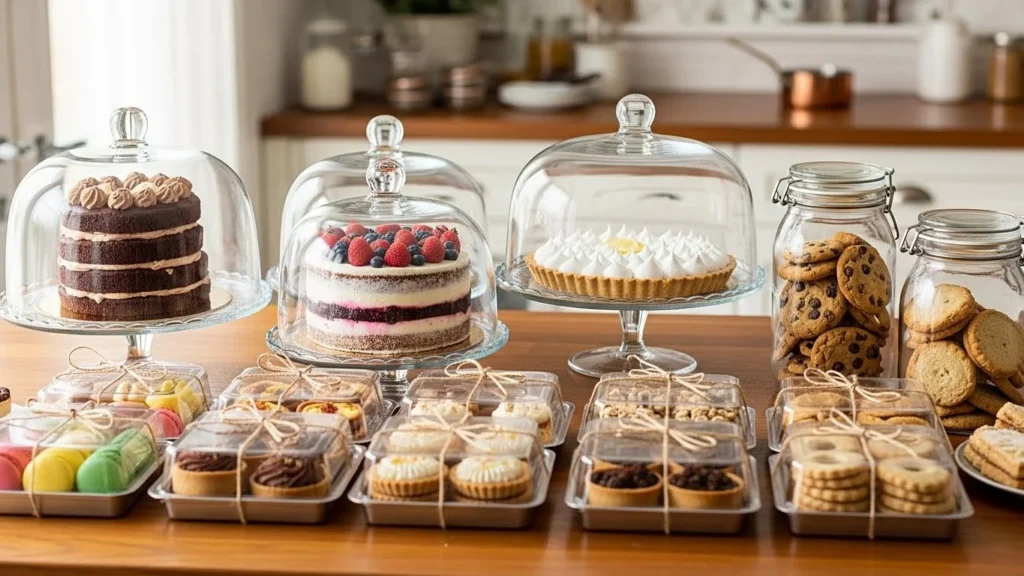
Nothing is more disappointing than pulling out a dessert you were excited about—only to find it dry, soggy, or stale. The good news? Most dessert storage problems come down to a few simple mistakes that are easy to fix. Once you know what different desserts actually need, you can keep them tasting bakery-fresh for days (and sometimes weeks).
Understand Why Desserts Go Stale
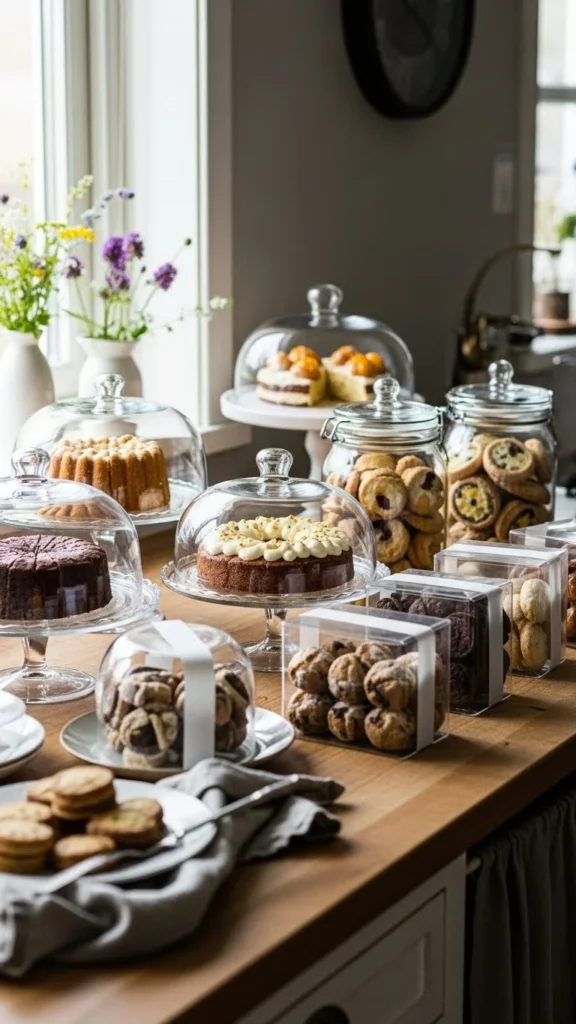
Before storing anything, it helps to know what you’re protecting desserts from. Freshness fades because of:
- Air exposure, which dries desserts out
- Moisture, which causes sogginess or mold
- Temperature changes, which affect texture
- Odors, especially in the fridge
The goal is always the same: control air, moisture, and temperature without ruining texture or flavor.
How to Store Cakes the Right Way
Cakes are one of the most common desserts people accidentally dry out. The storage method depends on frosting and filling.
Unfrosted Cakes
- Wrap tightly in plastic wrap
- Add a second layer of foil for extra protection
- Store at room temperature for up to 2 days
Frosted Cakes
- Buttercream cakes do well at cool room temperature for 1–2 days
- Cream cheese or whipped frosting cakes should be refrigerated
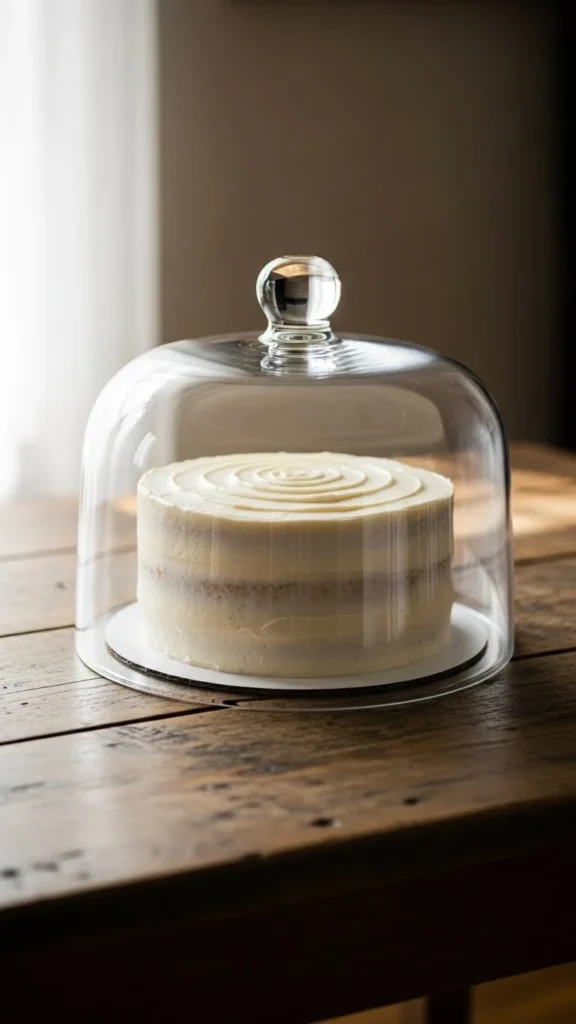
Pro tip: Always chill cakes briefly before wrapping. Cold frosting is less likely to smudge or stick.
Best Way to Store Cookies and Bars
Cookies are all about texture, and the wrong storage can turn them rock-hard or limp overnight.
Soft Cookies
- Store in an airtight container
- Add a slice of bread or tortilla to maintain moisture
- Replace the bread every 1–2 days
Crisp Cookies
- Keep them dry—no bread inside
- Use a container with minimal air space
- Avoid the fridge, which softens them
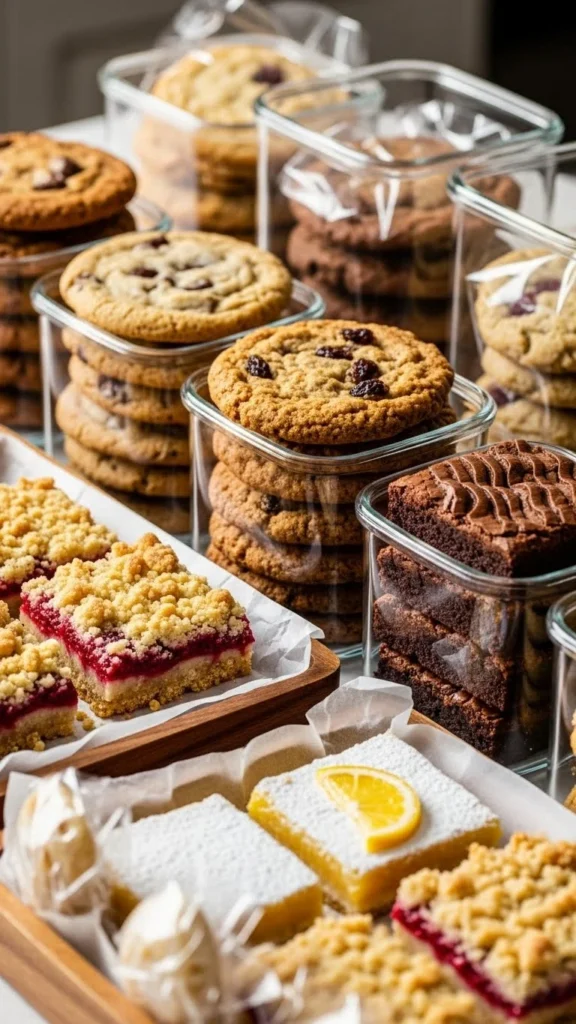
Dessert Bars and Brownies
- Wrap tightly or store in a sealed container
- Room temperature for 2–3 days
- Refrigerate only if they contain dairy-based toppings
Storing Creamy and Custard-Based Desserts
Desserts like cheesecakes, puddings, mousses, and custards need colder storage to stay safe and smooth.
Best practices:
- Always refrigerate within 1 hour
- Cover directly on the surface with plastic wrap to prevent skin forming
- Store on a stable fridge shelf, not the door
These desserts usually last:
- 3–4 days for custards and puddings
- Up to 5 days for cheesecake
Avoid freezing delicate custards unless the recipe specifically allows it.
How to Freeze Desserts Without Ruining Them
Freezing is a powerful tool—but only when done correctly.
Great freezer-friendly desserts:
- Unfrosted cakes
- Brownies and bars
- Cookies (baked or unbaked)
- Loaf cakes and quick breads
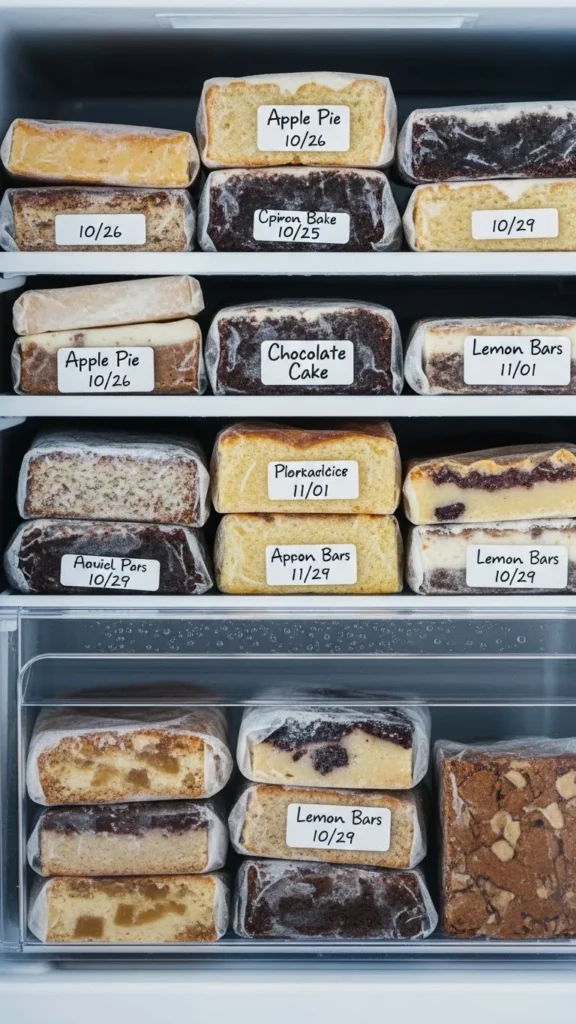
Freezing steps:
- Let dessert cool completely
- Wrap tightly in plastic wrap
- Add a freezer-safe bag or foil layer
- Label with date
To thaw:
- Unwrap while still frozen to prevent condensation
- Bring to room temperature gradually
Room Temperature vs Refrigerator: What’s Better?
Not everything belongs in the fridge. In fact, refrigeration can ruin some desserts.
Store at Room Temperature:
- Plain cakes
- Cookies
- Muffins
- Pound cakes
Refrigerate:
- Cream-filled desserts
- Cheesecake
- Frostings with dairy
- Fruit-topped desserts
When in doubt, think about ingredients, not appearance.
Avoid These Common Storage Mistakes
Even small mistakes can shorten dessert life:
- Leaving desserts uncovered “just overnight”
- Storing warm desserts (creates condensation)
- Using containers that are too large
- Mixing different dessert types together
Smells transfer fast, so always seal desserts well—especially in the fridge.
Final Tips for Maximum Freshness
- Always cool desserts completely before storing
- Use airtight containers whenever possible
- Label frozen desserts with dates
- Check texture daily for room-temperature items
A little planning goes a long way when it comes to keeping desserts delicious.
Final Takeaway
Storing desserts properly isn’t complicated—it just requires knowing what each dessert needs to stay at its best. Whether you’re saving leftovers or prepping ahead, the right storage method protects flavor, texture, and freshness every time.
Save this guide for later, and your desserts will always taste just as good as the day you made them 🍪🍰